

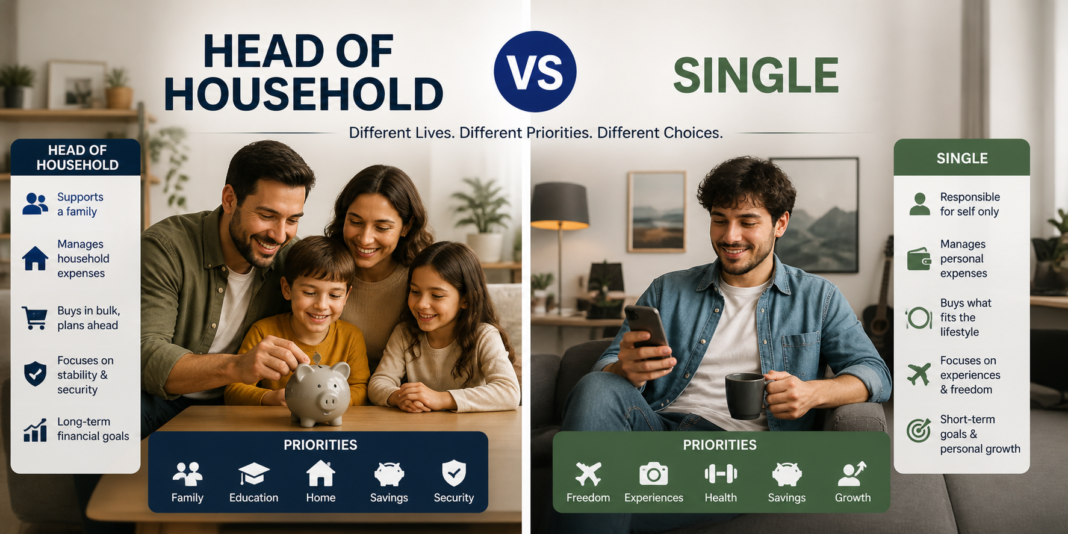

Understanding head of household vs single is especially important for unmarried taxpayers who support children, parents, or other qualifying dependents. A filing status isn’t simply an administrative checkbox—it directly influences tax rates, standard deductions, eligibility for credits, and overall tax liability.
Many taxpayers mistakenly assume they qualify only for the single filing status because they are not married. In reality, millions of Americans may qualify for head of household status and enjoy substantial tax advantages. Knowing the distinction can help maximize refunds, reduce taxable income, and ensure compliance with IRS requirements.
This comprehensive guide explains everything you need to know about head of household vs single, including eligibility rules, tax benefits, common misconceptions, practical examples, and strategies for selecting the correct filing status.
Understanding Tax Filing Statuses
Tax filing status serves as the foundation of every federal income tax return. The IRS uses filing status to determine tax brackets, deduction amounts, eligibility for credits, and other key tax calculations.
The two statuses most commonly compared by unmarried taxpayers are Single and Head of Household. While both apply to individuals who are not married, they are designed for very different financial and family situations. Understanding these distinctions is essential for accurate tax planning and filing.
What Is the Single Filing Status?
The Single filing status generally applies to taxpayers who are unmarried, legally separated, divorced, or otherwise not eligible for another filing category. It is often the default option for individuals without dependents.
When comparing head of household vs single, the Single status has fewer eligibility requirements because it is based primarily on marital status rather than household support responsibilities. However, it typically offers fewer tax benefits than Head of Household.
What Is the Head of Household Filing Status?
Head of Household is a special filing status designed for unmarried taxpayers who maintain a home for a qualifying dependent. This status recognizes the additional financial responsibilities associated with supporting another person.
In the discussion of head of household vs single, Head of Household generally provides more favorable tax treatment. Taxpayers who qualify often receive a larger standard deduction and access to wider tax brackets, which can result in lower overall tax liability.
Why Filing Status Matters More Than Many People Realize
Filing status affects much more than the label at the top of a tax return. It influences how much income is taxed at each rate, which deductions apply, and whether certain credits are available.
A taxpayer who qualifies for Head of Household but mistakenly files as Single may pay more taxes than necessary. Conversely, claiming Head of Household without meeting IRS requirements can trigger audits, penalties, and amended returns.
Core Differences Between Head of Household and Single
The central distinction in head of household vs single is household responsibility. Single filers are generally responsible only for themselves, while Head of Household filers financially support qualifying dependents and maintain a household.
Because of this added responsibility, the tax code provides additional benefits to Head of Household filers. These benefits are intended to offset the financial burden of caring for dependents and managing household expenses.
Eligibility Requirements for Single Filing Status
Qualifying for Single status is relatively straightforward. You must be unmarried on the last day of the tax year and not qualify for another filing status such as Head of Household or Qualifying Surviving Spouse.
Most adults without dependents fall into this category. College graduates, young professionals, divorced individuals without qualifying dependents, and many retirees commonly file as Single.
Eligibility Requirements for Head of Household Status
To qualify for Head of Household, you generally must be unmarried or considered unmarried by the IRS at the end of the tax year. You must also pay more than half the cost of maintaining a qualifying household.
Additionally, a qualifying child, parent, or other eligible dependent must meet IRS dependency requirements. These rules are stricter than many taxpayers expect, making careful evaluation essential before selecting this status.
The Qualifying Person Requirement
A qualifying person is one of the most important elements of Head of Household eligibility. Most commonly, this is a child who lives with the taxpayer for more than half the year.
Certain parents may qualify even if they do not live in the taxpayer’s home. This exception creates opportunities for some taxpayers who support aging parents while maintaining separate residences.
Maintaining the Household Test
The IRS requires Head of Household filers to pay more than half the cost of maintaining a home. These costs can include rent, mortgage interest, property taxes, utilities, insurance, repairs, and groceries consumed in the home.
Simply living with a dependent is not enough. The taxpayer must demonstrate that they bear the majority of financial responsibility for maintaining the household.
Tax Bracket Differences
One of the most significant aspects of head of household vs single involves tax brackets. Head of Household filers generally benefit from wider tax brackets before moving into higher tax rates.
This means a larger portion of income may be taxed at lower rates. For middle-income taxpayers, this difference can translate into meaningful annual tax savings and improved after-tax income.
Standard Deduction Advantages
The standard deduction is another area where Head of Household often provides an advantage. The IRS typically allows Head of Household filers a larger standard deduction than Single filers.
A larger deduction reduces taxable income, which can lower overall tax liability. For taxpayers who do not itemize deductions, this benefit alone may create substantial savings.
Quick Comparison Table
| Feature | Single | Head of Household |
| Marital Status Requirement | Unmarried | Unmarried or considered unmarried |
| Dependent Required | No | Yes |
| Household Support Requirement | No | Must pay over half of household costs |
| Standard Deduction | Lower | Higher |
| Tax Brackets | Less favorable | More favorable |
| Refund Potential | Generally lower | Often higher |
| IRS Qualification Complexity | Simple | More detailed |
| Common Users | Individuals without dependents | Single parents and caregivers |
Impact on Tax Refunds
Many taxpayers focus primarily on refund amounts, making head of household vs single a particularly important comparison. A larger deduction and favorable tax brackets often increase refunds or reduce taxes owed.
However, refund size ultimately depends on many factors, including income, withholding, tax credits, and deductions. Filing status is one important component rather than the sole determinant.
Effects on Tax Credits
Certain tax credits become more valuable when combined with Head of Household status. Credits such as the Child Tax Credit and Earned Income Tax Credit often interact favorably with the income thresholds associated with this filing status.
Because tax credits directly reduce taxes owed, understanding how filing status affects eligibility can have a meaningful impact on a taxpayer’s financial outcome.
Common Misconceptions About Head of Household
Many people believe that having a child automatically qualifies them for Head of Household status. In reality, the taxpayer must also satisfy household support and residency requirements.
Another common misconception is that anyone living with relatives can claim Head of Household. Eligibility depends on specific IRS dependency rules rather than simple cohabitation.
Single Parents and Filing Status Decisions
Single parents are among the taxpayers most likely to benefit from Head of Household status. Raising children often involves substantial housing, food, education, and transportation expenses.
Because of these financial obligations, Congress structured the tax code to provide additional relief through more favorable filing status rules. Single parents should carefully review eligibility each year.
Divorced and Separated Taxpayers
Divorce often creates uncertainty regarding filing status. A taxpayer who was married during part of the year may still qualify as unmarried for tax purposes depending on the circumstances.
When evaluating head of household vs single, divorced and separated taxpayers should pay close attention to dependency claims, custody arrangements, and household support responsibilities.
Supporting Elderly Parents
A lesser-known Head of Household provision applies to taxpayers who support qualifying parents. In some situations, a parent may qualify even if they live in a separate residence.
This rule recognizes the financial realities faced by many adults caring for aging family members. Proper documentation of support expenses is particularly important in these cases.
The Cost of Filing Incorrectly
Selecting the wrong filing status can have serious consequences. Overclaiming benefits may result in additional taxes, penalties, interest charges, and increased IRS scrutiny.
Underclaiming benefits can also be costly because taxpayers may miss valuable deductions and credits. Accuracy is critical when choosing between filing options.
Documentation You Should Keep
Taxpayers claiming Head of Household should maintain records demonstrating household expenses, residency, and dependency status. Documentation may include lease agreements, utility bills, school records, and financial statements.
Good recordkeeping provides support if questions arise and makes annual tax preparation significantly easier. Organized documentation also helps taxpayers evaluate eligibility confidently.
Real-World Example: Single Filer
Imagine a young professional who lives alone, has no dependents, and pays only personal expenses. Despite earning a moderate income, this taxpayer generally files as Single because no qualifying dependent exists.
In this scenario, Head of Household status would not be available regardless of housing costs or financial independence. The absence of a qualifying person determines the outcome.
Real-World Example: Head of Household Filer
Consider a divorced parent who pays rent, utilities, groceries, and childcare expenses while raising a child who lives in the home most of the year. This taxpayer likely meets both dependency and household support requirements.
In the context of head of household vs single, this individual would generally benefit from Head of Household status, potentially reducing taxable income and lowering overall taxes.
How the IRS Verifies Eligibility
The IRS uses various methods to verify filing status claims. Information from tax returns, dependency claims, residency records, and supporting documentation may all play a role.
Taxpayers should never assume eligibility without reviewing current IRS requirements. Filing status claims must be supported by facts rather than assumptions.
Tax Planning Opportunities
Understanding filing status allows for more strategic tax planning throughout the year. Housing decisions, dependency arrangements, and support contributions may all affect eligibility.
While tax considerations should not drive major life decisions, awareness of filing status implications helps taxpayers make informed financial choices and avoid surprises during tax season.
Changes in Family Circumstances
Life changes can alter filing status eligibility from one year to the next. Births, divorces, custody changes, deaths, and shifts in household support arrangements may all affect tax filing options.
Because eligibility is determined annually, taxpayers should reassess their situation every tax year rather than assuming prior eligibility automatically continues.
The Importance of Accurate Tax Advice
Tax filing status rules can become complicated when multiple dependents, shared custody arrangements, or blended families are involved. Professional guidance may help resolve uncertain situations.
As tax professionals often remind clients, “The best tax strategy starts with getting the fundamentals right.” Filing status is one of those fundamentals and deserves careful attention.
Future Trends and Tax Filing Awareness
Taxpayers today have greater access to educational resources, tax software, and planning tools than ever before. This increased awareness helps more individuals identify filing opportunities they might otherwise miss.
At the same time, evolving family structures make understanding filing status increasingly important. Modern households often do not fit traditional assumptions, making personalized evaluation essential.
Conclusion
The choice between head of household vs single can significantly impact tax liability, deductions, credits, and refund potential. Although both statuses apply to unmarried taxpayers, Head of Household offers substantial advantages for those who meet the IRS requirements related to household support and qualifying dependents.
The key takeaway is simple: never assume your filing status based solely on marital status. Evaluate dependency rules, household expenses, residency requirements, and support obligations carefully. Taxpayers who qualify for Head of Household often benefit from lower tax rates, larger deductions, and greater financial flexibility. By understanding the rules and maintaining proper documentation, you can confidently choose the filing status that best reflects your situation and maximizes available tax benefits.
FAQ
Who qualifies for head of household status?
A taxpayer generally qualifies if they are unmarried, pay more than half the cost of maintaining a household, and support a qualifying dependent. This is the primary distinction in head of household vs single eligibility.
Can I file head of household without a child?
Yes. Certain qualifying parents and other eligible dependents may allow Head of Household status even when no child lives in the home, provided IRS requirements are met.
Is head of household better than single?
In many cases, yes. When comparing head of household vs single, Head of Household often provides a larger standard deduction and more favorable tax brackets.
What happens if I incorrectly claim head of household?
The IRS may require repayment of tax benefits received, along with penalties and interest. Proper documentation is important to support eligibility.
Can divorced parents both file head of household?
Sometimes. Each parent’s eligibility depends on residency, support, and dependency rules. Only taxpayers who independently satisfy IRS requirements can claim the status.
Does head of household increase my tax refund?
Potentially. In the head of household vs single comparison, larger deductions and favorable tax brackets can increase refunds or reduce taxes owed.
Do I need proof of household expenses?
Yes. Records such as rent payments, utility bills, mortgage statements, and other household expense documentation can help establish eligibility if questioned by the IRS.
You May Also Read: Jobs Hiring Near Me