

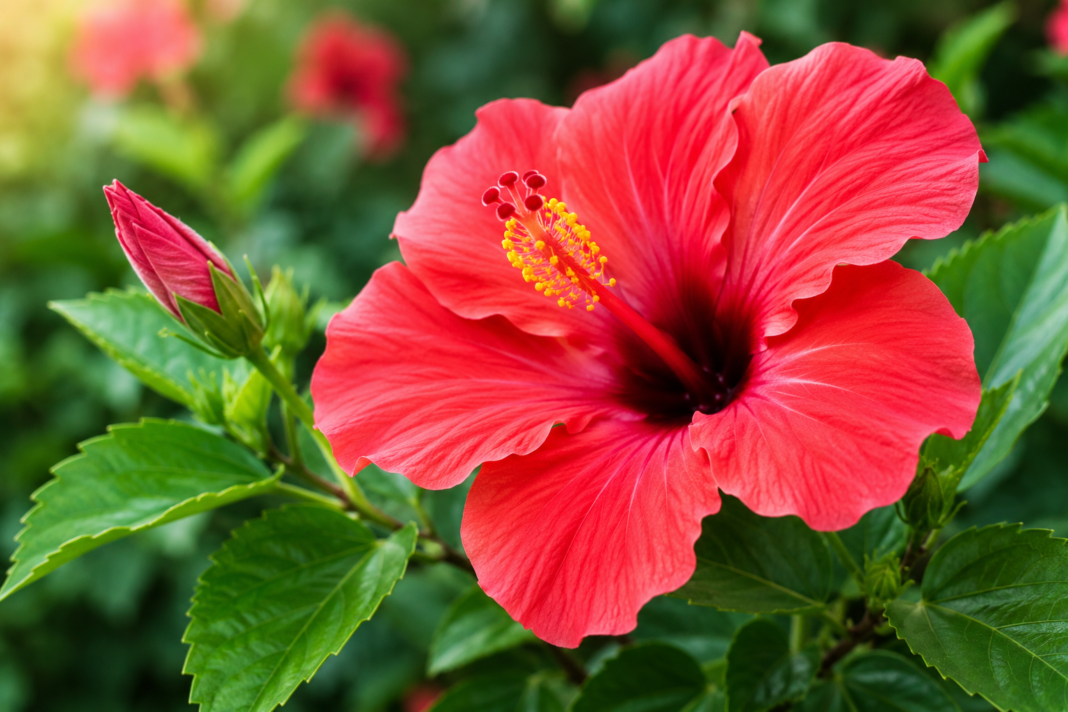

The Hibiscus Flower is one of the most recognizable and beloved flowering plants in the world. Known for its large, colorful blooms and tropical appeal, it has captivated gardeners, herbal enthusiasts, and cultures across continents for centuries. Whether growing in a backyard garden, featured in herbal teas, or celebrated in traditional ceremonies, this remarkable flower continues to hold widespread appeal.
Beyond its visual beauty, the hibiscus flower offers practical value. From landscaping and pollinator support to wellness applications and cultural symbolism, it occupies a unique position among ornamental plants. This comprehensive guide explores everything you need to know about Hibiscus Flower varieties, cultivation, care, benefits, and much more.
Understanding the Hibiscus Flower
The hibiscus flower belongs to the Malvaceae family, which includes hundreds of species distributed throughout tropical, subtropical, and temperate regions. These plants range from small shrubs to larger flowering bushes and even small trees, depending on the species and growing conditions.
Most people recognize Hibiscus Flower by its large trumpet-shaped blooms and prominent central staminal column. Flowers appear in shades of red, pink, white, yellow, orange, purple, and even multicolored combinations. While individual blooms often last only a day or two, healthy plants continuously produce new flowers throughout the growing season.
Origins and Historical Significance
The history of Hibiscus Flower spans thousands of years and multiple civilizations. Various species are believed to have originated in Asia, Africa, and the Pacific Islands, where they became deeply integrated into local traditions, medicine, and cultural practices.
Throughout history, people cultivated hibiscus for both ornamental and practical purposes. Ancient societies used parts of the plant in beverages, natural dyes, herbal preparations, and ceremonial decorations. Today, hibiscus remains an important botanical symbol in many countries and regions, reflecting beauty, hospitality, and natural abundance.
Botanical Characteristics of Hibiscus
One of the reasons the hibiscus flower stands out is its distinctive botanical structure. The large petals surround a prominent reproductive column, creating an instantly recognizable appearance. Leaves are typically glossy and green, providing an attractive backdrop to the vibrant blossoms.
Growth habits vary significantly among species. Tropical hibiscus tends to remain evergreen in warm climates, while hardy hibiscus varieties often die back during winter before returning vigorously in spring. Understanding these differences helps gardeners select the most suitable plants for their local conditions.
Popular Types of Hibiscus Flower
Hundreds of hibiscus species and cultivars exist, but a few categories dominate gardens and landscapes worldwide. Tropical hibiscus, scientifically known as Hibiscus rosa-sinensis, is famous for its glossy foliage and brilliant blooms. It thrives in warm climates and is commonly grown as a decorative shrub.
Hardy hibiscus species, including Hibiscus moscheutos, tolerate colder temperatures and produce impressively large flowers. Other notable varieties include roselle (Hibiscus sabdariffa), prized for culinary and beverage uses, and rose mallow types that flourish in wet environments. Each variety offers unique characteristics suited to different gardening goals.
Hibiscus Species Comparison
| Variety | Scientific Name | Climate Preference | Flower Size | Main Uses |
| Tropical Hibiscus | Hibiscus rosa-sinensis | Warm and tropical | Medium to large | Ornamental landscaping |
| Hardy Hibiscus | Hibiscus moscheutos | Temperate climates | Very large | Garden displays |
| Roselle | Hibiscus sabdariffa | Tropical and subtropical | Medium | Tea and culinary use |
| Rose Mallow | Hibiscus laevis | Moist environments | Large | Native landscaping |
| Confederate Rose | Hibiscus mutabilis | Warm climates | Large | Ornamental gardens |
| Swamp Hibiscus | Hibiscus coccineus | Wetlands | Large | Wildlife-friendly landscapes |
This comparison highlights the diversity within the hibiscus family and demonstrates why gardeners can find suitable varieties for nearly any environment.
Why Gardeners Love Hibiscus
Gardeners are drawn to hibiscus for its dramatic visual impact. Few flowering shrubs can match the size, color intensity, and tropical elegance of hibiscus blooms. Even a single mature plant can become a focal point in a landscape design.
Another reason for its popularity is versatility. Hibiscus works equally well in containers, garden beds, hedges, courtyard landscapes, and patio settings. Its ability to adapt to different design styles makes it a favorite among both beginners and experienced horticulturists.
Ideal Growing Conditions
Successful cultivation begins with understanding the plant’s environmental preferences. Most hibiscus varieties thrive in locations receiving abundant sunlight, ideally six to eight hours per day. Sunlight promotes stronger growth, healthier foliage, and more prolific flowering.
Temperature also plays a crucial role. Tropical varieties prefer warm conditions year-round, while hardy species can withstand colder winters. Protection from strong winds and sudden temperature fluctuations helps maintain plant health and bloom production throughout the season.
Soil Requirements for Healthy Growth
The hibiscus flower performs best in well-draining soil rich in organic matter. Excessively compacted or poorly drained soils can lead to root stress and disease issues. Incorporating compost before planting often improves soil structure and fertility.
A slightly acidic to neutral pH generally supports optimal growth. Consistent soil quality contributes to vigorous roots, stronger stems, and more abundant blooms. Regular soil testing can help gardeners maintain favorable growing conditions over the long term.
Planting Hibiscus Successfully
Proper planting techniques establish the foundation for long-term success. When planting hibiscus in the ground, choose a location with adequate space for mature growth and good air circulation around the plant.
Dig a hole approximately twice as wide as the root ball but no deeper than its height. Position the plant carefully, backfill with improved soil, and water thoroughly. Mulching around the base helps retain moisture while suppressing weed growth during establishment.
Watering Needs Throughout the Year
Water management is essential for maintaining healthy hibiscus plants. Newly planted specimens require consistent moisture while roots become established. Mature plants benefit from deep watering rather than frequent shallow irrigation.
Seasonal adjustments are important. During periods of intense heat and active blooming, water demands increase. Cooler seasons often require less irrigation. Monitoring soil moisture helps prevent both drought stress and overwatering problems.
Fertilization and Nutrient Management
Hibiscus plants are considered relatively heavy feeders due to their vigorous growth and continuous flowering habits. Regular fertilization encourages lush foliage and consistent bloom production throughout the growing season.
Balanced fertilizers formulated for flowering plants typically provide excellent results. Applications should follow manufacturer recommendations to avoid excessive nutrient buildup. Organic options, including compost and well-aged manure, can also contribute to long-term soil health and fertility.
Pruning Techniques for Better Blooms
Pruning plays an important role in shaping hibiscus plants and encouraging vigorous flowering. Strategic trimming removes dead, damaged, or overcrowded branches while promoting fresh growth and improved airflow.
The timing of pruning depends on the species. Tropical varieties are often pruned during active growth periods, while hardy hibiscus is usually cut back after winter dormancy. Regular maintenance creates a fuller plant structure and often results in increased flower production.
Growing Hibiscus in Containers
Container gardening offers an excellent option for those with limited outdoor space. Potted hibiscus can thrive on patios, balconies, and terraces when provided with adequate sunlight and proper care.
Containers should include drainage holes and high-quality potting mixes. Because potted plants dry out more quickly than those in garden soil, monitoring moisture levels becomes particularly important. Periodic repotting also helps maintain healthy root systems.
Seasonal Care and Maintenance
Seasonal changes influence how gardeners should care for hibiscus plants. Spring is often the time for fertilization, pruning, and preparing plants for active growth. Summer focuses on watering and bloom maintenance.
Autumn care may include reducing fertilizer applications and preparing for cooler temperatures. In regions with harsh winters, tropical hibiscus often requires indoor protection. Adjusting maintenance routines according to seasonal needs supports year-round plant health.
Common Pests That Affect Hibiscus
Although generally resilient, hibiscus plants can attract several common garden pests. Aphids, spider mites, whiteflies, and mealybugs are among the most frequently encountered insects.
Early detection remains the most effective defense. Regular inspections allow gardeners to identify infestations before significant damage occurs. Natural predators, horticultural oils, and insecticidal soaps often provide effective management solutions while minimizing environmental impact.
Diseases and Prevention Strategies
Disease issues typically arise when environmental conditions favor fungal or bacterial growth. Leaf spot, root rot, and mildew can occasionally affect hibiscus plants, particularly in humid environments with poor airflow.
Preventive care is often more effective than treatment. Proper spacing, careful watering practices, and healthy soil conditions significantly reduce disease risk. Removing affected plant material promptly helps prevent problems from spreading throughout the garden.
Attracting Pollinators with Hibiscus
A thriving garden often includes pollinators, and hibiscus contributes meaningfully to supporting these beneficial creatures. Bees, butterflies, and hummingbirds are frequently drawn to the flower’s nectar-rich blooms.
By incorporating hibiscus into pollinator-friendly landscapes, gardeners help create valuable habitats for local wildlife. Combining hibiscus with other flowering species further enhances biodiversity and seasonal food sources for pollinating insects and birds.
Hibiscus Flower in Landscaping Design
Landscape designers frequently use hibiscus to create dramatic visual interest. Large blooms, bold colors, and lush foliage provide focal points in both residential and commercial settings.
Hibiscus works beautifully in tropical-themed gardens, mixed shrub borders, privacy hedges, and accent plantings. Its versatility allows it to complement modern, traditional, and naturalistic landscape designs while adding year-round character in suitable climates.
The Symbolism of Hibiscus Around the World
Different cultures assign unique meanings to the hibiscus flower. In many regions, it symbolizes beauty, femininity, hospitality, joy, and vitality. Its vibrant blooms often represent the fleeting nature of life and the importance of appreciating the present moment.
Cultural symbolism varies considerably between countries. Some communities associate hibiscus with love and romance, while others view it as a symbol of strength, resilience, and prosperity. These diverse interpretations contribute to its enduring popularity worldwide.
Cultural Importance and Traditional Uses
The hibiscus flower appears in celebrations, ceremonies, and artistic traditions across numerous cultures. Decorative garlands, ceremonial adornments, and festive arrangements frequently feature hibiscus blooms because of their striking appearance.
Traditional communities have also incorporated hibiscus into food preparation, textile production, and herbal practices. These longstanding uses demonstrate the plant’s remarkable versatility and historical significance beyond ornamental gardening.
Hibiscus in Herbal Traditions
Many cultures have used hibiscus in traditional wellness practices for generations. Dried calyces from certain species, especially roselle, are commonly prepared as herbal infusions and beverages.
Interest in botanical ingredients has grown significantly in recent years, increasing attention on hibiscus-based products. Consumers often appreciate its distinctive tart flavor and vibrant color, making it a popular ingredient in teas and specialty drinks.
“A garden without flowers is like a sky without stars, and hibiscus often shines the brightest.”
This observation reflects why gardeners consistently choose hibiscus as a centerpiece plant that adds energy, color, and life to outdoor spaces.
Nutritional Components Found in Hibiscus
Researchers have identified various naturally occurring compounds within hibiscus species. These include plant pigments, organic acids, and antioxidant compounds that contribute to the flower’s color and distinctive characteristics.
The nutritional profile varies among species and preparation methods. Interest in plant-based ingredients continues to drive research into the properties and potential applications of hibiscus in food and beverage industries worldwide.
Hibiscus Tea and Its Popularity
Hibiscus tea has become one of the most widely recognized uses of the plant. Prepared from dried calyces, the beverage is known for its deep red color and refreshing tart taste that resembles cranberry-like flavors.
Global demand has expanded as consumers seek flavorful herbal alternatives to conventional beverages. Hibiscus tea can be enjoyed hot or cold and is frequently blended with fruits, spices, and other botanicals to create unique flavor profiles.
Culinary Uses Beyond Tea
The culinary versatility of hibiscus extends well beyond beverages. Various cultures use hibiscus in jams, sauces, syrups, desserts, salads, and confectionery products. Its vibrant color adds visual appeal while its tangy flavor enhances recipes.
Creative chefs continue experimenting with hibiscus as an ingredient in modern cuisine. From gourmet desserts to innovative cocktails and savory dishes, the plant offers numerous opportunities for culinary exploration.
Indoor Hibiscus Growing Tips
Growing hibiscus indoors presents unique challenges and rewards. Adequate sunlight is often the most critical factor, making bright windows or supplemental grow lights valuable tools for indoor gardeners.
Indoor environments also require careful attention to humidity, watering, and pest management. With proper care, potted hibiscus can produce impressive blooms indoors while bringing tropical beauty into living spaces year-round.
Propagating New Hibiscus Plants
Propagation allows gardeners to expand their collections without purchasing additional plants. Stem cuttings are among the most common and reliable methods for producing new hibiscus specimens.
Healthy cuttings taken during active growth periods often root successfully when placed in suitable growing media. Patience and consistent care during the rooting process can result in vigorous young plants ready for transplantation.
Hibiscus and Environmental Sustainability
The hibiscus flower contributes positively to environmentally conscious gardening practices. Many species support pollinators, enhance biodiversity, and integrate well into sustainable landscape designs.
Because hibiscus can serve as both an ornamental and functional plant, it aligns with growing interest in multifunctional gardens. Combining beauty with ecological value makes it increasingly relevant in modern horticulture.
Trends in Modern Hibiscus Cultivation
Plant breeders continue introducing exciting new hibiscus cultivars featuring unique colors, larger blooms, improved disease resistance, and extended flowering periods. These innovations expand options for gardeners and landscape professionals alike.
Social media and digital gardening communities have also increased interest in rare and unusual hibiscus varieties. Enthusiasts frequently share growing experiences, cultivation techniques, and showcase extraordinary blooms from around the world.
Choosing the Right Hibiscus Variety
Selecting the ideal hibiscus depends on climate, available space, maintenance preferences, and intended use. Tropical gardeners may prioritize vibrant ornamental cultivars, while cooler-climate gardeners often prefer hardy species.
Considering mature size, flowering habits, and environmental requirements helps ensure long-term success. Matching plant characteristics to local conditions is one of the most important factors in achieving healthy growth and spectacular blooms.
Common Misconceptions About Hibiscus
Many people assume all hibiscus plants require tropical climates, but numerous hardy species thrive in colder regions. This misconception often discourages gardeners who could successfully grow suitable varieties.
Another common misunderstanding involves bloom longevity. While individual flowers may be short-lived, healthy plants produce continuous blossoms over extended periods. Understanding these realities helps set realistic expectations and improves gardening success.
Conclusion
The hibiscus flower remains one of the world’s most admired ornamental plants because it combines stunning beauty, practical versatility, cultural significance, and ecological value. From tropical landscapes and container gardens to herbal teas and culinary creations, hibiscus continues to enrich lives in countless ways.
Whether you are a beginner gardener seeking a colorful focal point or an experienced horticulturist exploring new varieties, hibiscus offers endless possibilities. With proper care, suitable growing conditions, and an understanding of its unique characteristics, this extraordinary flower can provide years of vibrant blooms and lasting enjoyment.
FAQ
What is a hibiscus flower?
A hibiscus flower is a flowering plant belonging to the Malvaceae family, known for its large, colorful blooms and widespread use in gardens, landscaping, and herbal beverages.
How often should I water a hibiscus flower?
The hibiscus flower prefers consistently moist soil but not waterlogged conditions. Watering frequency depends on climate, soil type, and whether the plant is grown in the ground or a container.
Can a hibiscus flower grow indoors?
Yes, a hibiscus flower can grow indoors when provided with bright sunlight, proper humidity, and consistent care. Many gardeners successfully grow potted hibiscus as houseplants.
Is hibiscus tea made from the hibiscus flower?
Hibiscus tea is commonly made from the dried calyces of specific hibiscus species, particularly Hibiscus sabdariffa, rather than the ornamental petals alone.
Which hibiscus flower variety is best for cold climates?
Hardy hibiscus varieties, especially Hibiscus moscheutos, are among the best choices for colder climates because they can tolerate winter temperatures that tropical varieties cannot.
Does the hibiscus flower attract pollinators?
Yes, the hibiscus flower attracts pollinators such as bees, butterflies, and hummingbirds, making it an excellent addition to wildlife-friendly gardens.
How long does a hibiscus flower bloom last?
An individual hibiscus flower usually lasts one to two days, but healthy plants continuously produce new blooms throughout the flowering season, creating a long-lasting display.
You May Also Read Recent Celebrity Deaths