

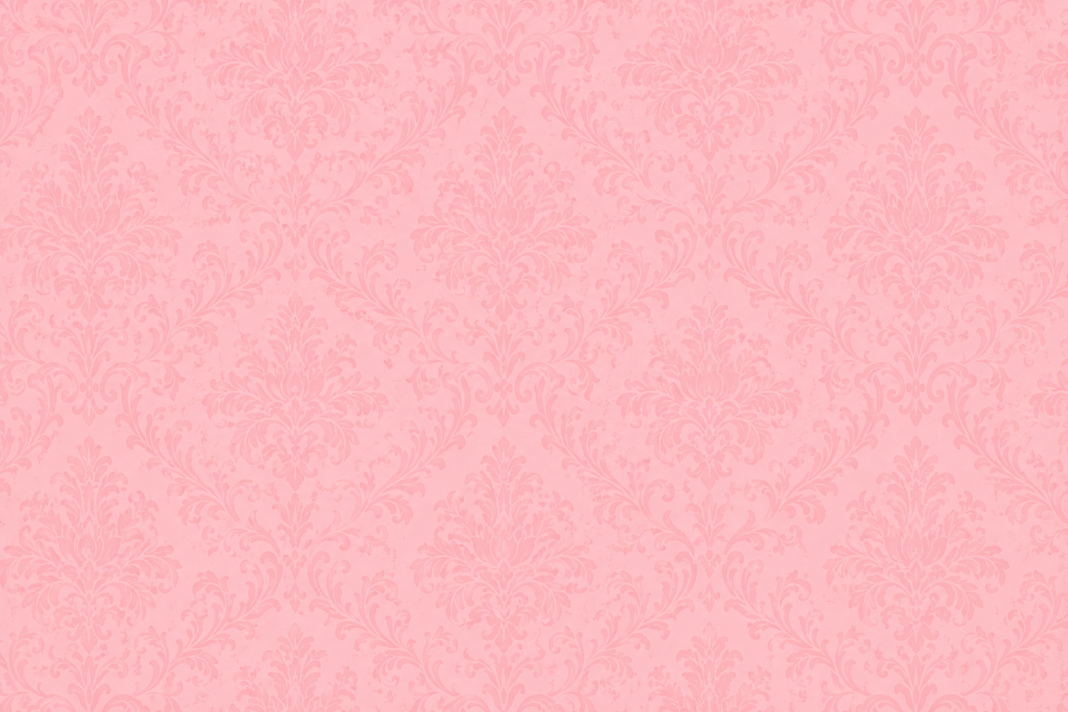

Few interior design elements can transform a space as quickly as pink wallpaper. Once associated primarily with children’s rooms, modern pink wallcoverings now appear in luxury hotels, contemporary apartments, boutique offices, and sophisticated family homes. Today’s designs range from understated blush textures to dramatic botanical murals, making pink one of the most versatile color choices in interior décor.
Whether you want to create a calming bedroom retreat, a statement powder room, or an elegant living area, understanding color psychology, materials, patterns, and styling techniques can help you make confident design decisions. This comprehensive guide explores everything homeowners, designers, and renovators need to know.
Why Pink Continues to Dominate Interior Design
Color trends constantly evolve, yet pink remains remarkably resilient because it adapts to changing aesthetics. From Scandinavian minimalism to maximalist interiors, shades such as blush, dusty rose, mauve, salmon, and terracotta-inspired pinks can complement almost any decorating style. Modern manufacturers have expanded options dramatically, allowing homeowners to personalize spaces with exceptional precision.
Interior designers increasingly view pink as a sophisticated neutral rather than an accent color. Warm undertones soften hard architectural lines, enhance natural light, and create welcoming environments. As consumers prioritize comfort and emotional wellbeing at home, soft, nurturing palettes continue gaining popularity across residential and commercial projects.
Understanding Color Psychology
Color psychology plays a significant role in decorating decisions. A soft blush pink wallpaper can evoke feelings of warmth, tranquility, optimism, and comfort. Pale shades often encourage relaxation, making them particularly suitable for bedrooms, reading corners, wellness spaces, and nurseries. Richer berry tones, meanwhile, introduce energy and creativity without overwhelming a room.
Psychologists and designers alike recognize that color influences mood and perception. As designer Kelly Wearstler famously noted, “Color is a powerful design tool that can transform emotion within a space.” Pink’s emotional versatility allows it to function equally well in serene retreats and vibrant social settings, depending on saturation, texture, and surrounding furnishings.
Design Styles That Work Beautifully
Choosing pink wallpaper begins with identifying your overall design aesthetic. Contemporary interiors often favor minimalist textures, subtle geometrics, or tone-on-tone patterns. Traditional homes may benefit from floral motifs, damask prints, or heritage-inspired designs that bring timeless elegance. Art Deco spaces frequently embrace metallic accents paired with dusty rose backgrounds for dramatic visual impact.
For eclectic or maximalist interiors, oversized botanicals, tropical prints, abstract murals, and artistic illustrations introduce personality and storytelling. Scandinavian-inspired rooms generally perform best with muted blush tones, natural textures, and understated patterns that preserve the simplicity associated with Nordic design principles.
Popular Shades and Their Design Effects
Different pink hues produce distinct visual outcomes, making shade selection one of the most important decisions during renovation or redecoration. Pale blush enlarges compact rooms by reflecting light effectively, while dusty rose adds warmth and maturity. Peach-infused pinks create sunny, inviting atmospheres, whereas mauve introduces subtle sophistication.
Deep raspberry, berry, and terracotta variations offer dramatic contrast and work especially well as feature walls. Saturated shades can establish intimacy in large rooms, making expansive spaces feel cozier and more connected. Testing samples under morning, afternoon, and evening lighting conditions remains essential because pink undertones can shift considerably throughout the day.
Materials, Finishes, and Performance Features
When selecting pink wallpaper, material matters just as much as aesthetics. Traditional paper options offer beautiful detail and texture but may require careful installation and maintenance. Non-woven products have become increasingly popular because they are breathable, durable, and easier to remove. Vinyl-coated alternatives provide excellent moisture resistance, making them ideal for kitchens, bathrooms, and high-traffic areas.
Textured finishes add another dimension to interior spaces. Grasscloth introduces natural sophistication, embossed surfaces create depth, and metallic accents reflect light for a luxurious appearance. Peel-and-stick varieties appeal to renters and design enthusiasts seeking flexibility, allowing spaces to evolve without long-term commitment or extensive renovation work.
| Wallpaper Type | Best Use | Durability | Removal Difficulty | Key Benefits |
| Traditional Paper | Bedrooms, formal rooms | Moderate | Moderate | Rich print detail |
| Non-Woven | Most residential spaces | High | Easy | Breathable and durable |
| Vinyl-Coated | Kitchens, bathrooms | Very High | Moderate | Moisture resistant |
| Peel-and-Stick | Rentals, temporary décor | Moderate | Very Easy | Repositionable |
| Grasscloth | Luxury interiors | Moderate | Difficult | Natural texture and elegance |
Decorating Different Rooms Successfully
In bedrooms, pink wallpaper often creates a restful sanctuary that promotes relaxation and comfort. Soft blush, muted rose, and watercolor-inspired designs pair beautifully with linen bedding, natural woods, and layered textiles. In children’s spaces, contemporary motifs such as stars, rainbows, or abstract shapes provide longevity beyond early childhood years.
Living rooms and dining areas can embrace bolder applications through feature walls, textured finishes, or panoramic murals. Powder rooms offer opportunities for experimentation because smaller spaces accommodate dramatic patterns exceptionally well. Home offices also benefit from warm pink tones, which can stimulate creativity while maintaining a welcoming, productive environment.
Coordinating Furniture, Textiles, and Accessories
Successful interiors depend on harmonious coordination between wall treatments and furnishings. Pink pairs effortlessly with neutrals including ivory, beige, taupe, charcoal, and soft gray. These combinations maintain balance while allowing wall finishes to remain visually prominent. Natural materials such as oak, rattan, marble, and woven fibers further enhance warmth and authenticity.
Designers often balance pink wallpaper with complementary accent colors including sage green, navy blue, terracotta, burgundy, brass, and black. Layering cushions, rugs, curtains, and artwork in related tones creates cohesion throughout the room. Repeating selected colors strategically prevents interiors from appearing disconnected or overly themed.
Patterns, Scale, and Visual Impact
Pattern scale determines how a room feels emotionally and spatially. Large-scale florals, murals, and botanical prints generate drama and become instant focal points. Smaller repeating motifs, by contrast, introduce subtle interest while preserving visual calm. Selecting the appropriate scale depends largely on room dimensions, ceiling height, and desired atmosphere.
Pattern-rich interiors perform best when surrounding décor remains relatively restrained. If walls feature expressive artwork-inspired prints, furniture silhouettes should generally remain simpler. Conversely, minimalist wall treatments provide flexibility for bolder furnishings and decorative accessories. Achieving equilibrium between visual elements ultimately produces the most sophisticated interiors.
Installation and Maintenance Essentials
Professional installation often delivers the best results, particularly for intricate patterns, murals, and textured materials. However, many contemporary products are specifically designed for confident DIY application. Accurate wall preparation—including cleaning, filling imperfections, and priming surfaces—significantly influences final appearance and longevity.
Before hanging pink wallpaper, homeowners should calculate pattern repeats carefully to minimize waste and ensure seamless alignment. Ongoing maintenance varies by material, but most modern wallcoverings require only gentle dusting or occasional wiping with manufacturer-approved cleaning solutions. Following care instructions protects color vibrancy and extends product lifespan considerably.
Current Trends Influencing the Market
Current collections show pink wallpaper moving beyond conventional florals toward highly artistic expressions. Abstract brushstrokes, hand-painted effects, panoramic landscapes, and mural-style installations continue attracting strong consumer interest. Textural sophistication is also increasing, with linen effects, plaster-inspired finishes, and tactile surfaces appearing across premium collections.
Another noteworthy trend involves combining heritage influences with contemporary execution. Vintage-inspired motifs are being reimagined through updated color palettes, oversized scales, and modern printing techniques. This fusion appeals to consumers seeking timeless appeal without sacrificing originality or contemporary relevance.
Sustainability and Responsible Purchasing
Environmental considerations increasingly influence purchasing decisions within the home décor industry. Many manufacturers now utilize responsibly sourced paper, water-based inks, low-VOC production processes, and recyclable packaging. Consumers can evaluate certifications and sustainability statements to make more informed choices aligned with personal values.
Consumers seeking eco-conscious pink wallpaper should prioritize transparency regarding material sourcing, manufacturing practices, and environmental certifications. Durable products often represent the most sustainable option because longevity reduces replacement frequency, minimizes waste, and lowers the overall environmental footprint associated with repeated renovations.
Common Mistakes Homeowners Should Avoid
One of the biggest mistakes with pink wallpaper involves selecting colors solely under showroom lighting. Artificial lighting can dramatically distort undertones, leading to unexpected results once installed at home. Always test samples in the intended room across different times of day before making a final commitment.
Another frequent error is overlooking room proportions and architectural features. Overly large patterns may overwhelm compact spaces, while tiny motifs can disappear in expansive rooms. Ignoring existing flooring, cabinetry, and furniture finishes may also create visual discord. Careful planning ensures every design element contributes cohesively to the overall aesthetic.
Conclusion
The best pink wallpaper selections combine personal style, practical requirements, room function, and thoughtful coordination with surrounding décor. From subtle blush textures to dramatic murals, contemporary options provide extraordinary versatility for homeowners seeking warmth, character, and visual sophistication.
As trends continue evolving, pink remains remarkably adaptable. By understanding color psychology, materials, installation considerations, and styling principles, you can confidently create interiors that feel both timeless and distinctly personal.
Frequently Asked Questions
Is pink suitable for adult spaces?
Absolutely. Modern pink wallpaper designs include sophisticated textures, muted tones, and elegant patterns specifically created for mature interiors, making them ideal for bedrooms, living rooms, offices, and dining spaces.
Which shade works best in small rooms?
Light blush, pale rose, and soft peach tones generally perform best because they reflect natural light effectively and help compact spaces feel larger and brighter.
Can wallpaper be used in bathrooms?
Yes. Vinyl-coated and moisture-resistant products are excellent choices for bathrooms, provided the room has adequate ventilation and the manufacturer’s installation guidelines are followed.
How long does pink wallpaper typically last?
High-quality pink wallpaper can last anywhere from ten to fifteen years or longer when installed correctly and maintained according to manufacturer recommendations.
Is peel-and-stick wallpaper worth considering?
For renters, frequent redecorators, or DIY enthusiasts, peel-and-stick options offer flexibility, easy removal, and straightforward installation with minimal wall damage.
What colors complement pink walls?
Neutral tones, sage green, navy, charcoal, brass accents, natural wood finishes, and earthy terracotta shades all pair beautifully with pink-inspired interiors.
You May Also Read: Trade School