

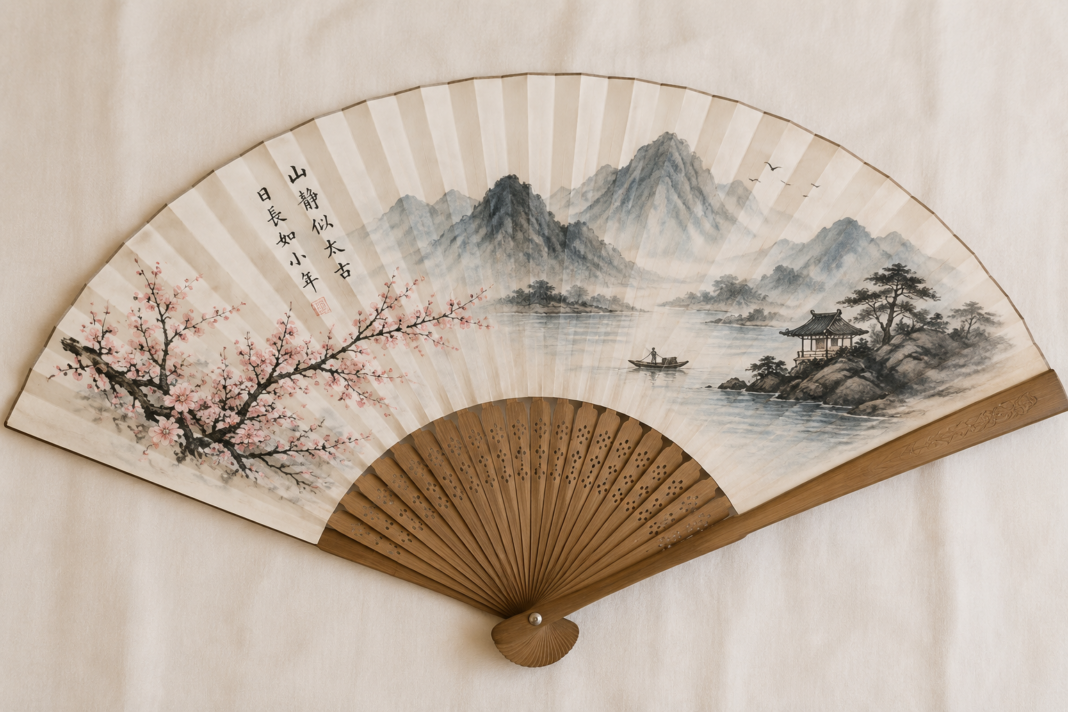

A hand fan is one of the oldest and most practical accessories ever created. Simple in design yet rich in cultural significance, it has been used for centuries to provide personal cooling, express artistic creativity, complement fashion, and symbolize social status.
Today, the hand fan remains relevant across cultures and industries. From elegant wedding accessories and promotional products to travel essentials and home décor pieces, these portable cooling tools continue to evolve while maintaining their timeless appeal. Whether you are looking for comfort during hot weather, a stylish accessory for special events, or a collectible item with historical value, understanding the world of hand fans can help you make a more informed choice.
Understanding the Hand Fan and Its Purpose
A hand fan is a manually operated device designed to create airflow by moving a flat surface back and forth. This movement increases air circulation around the body, helping users feel cooler without relying on electricity or batteries.
While cooling remains its primary purpose, the hand fan has expanded into many other roles. It is frequently used in cultural performances, formal ceremonies, decorative displays, promotional marketing campaigns, and personal fashion styling, making it far more versatile than many people realize.
The Fascinating History of Hand Fans
The history of fan-making stretches back thousands of years, with early examples appearing in ancient civilizations throughout Asia, Africa, and the Middle East. Historical records suggest that fans were often associated with royalty, religious ceremonies, and social prestige.
Over time, hand fans spread across Europe and other regions through trade and cultural exchange. During various historical periods, especially among aristocratic societies, fans became sophisticated works of art featuring intricate carvings, paintings, embroidery, and luxurious materials.
Why Hand Fans Remain Popular Today
Modern consumers increasingly appreciate products that combine functionality with sustainability. Unlike electric cooling devices, hand fans require no power source, making them environmentally friendly and highly portable.
Their continued popularity is also driven by aesthetics and convenience. People use them during outdoor events, festivals, weddings, sporting activities, travel adventures, and everyday commuting when temporary cooling is needed without the hassle of carrying electronic devices.
Major Types of Hand Fans Available
The market offers a wide variety of fan styles designed for different preferences, occasions, and practical requirements. Understanding these options can simplify the selection process.
Common categories include folding fans, rigid fans, decorative fans, ceremonial fans, bamboo fans, silk fans, paper fans, fabric fans, and personalized promotional fans. Each style delivers a unique combination of appearance, durability, portability, and airflow performance.
Folding Fans: The Most Recognizable Design
Folding fans feature multiple ribs connected by a pivot point, allowing the fan to open and close easily. This compact design makes them particularly convenient for travel and everyday use.
Because they collapse into a small form factor, folding fans are popular among tourists, event attendees, performers, and fashion enthusiasts. Their portable nature allows users to carry them in handbags, backpacks, and even pockets.
Rigid Fans and Their Traditional Appeal
Rigid fans maintain a fixed shape and do not fold. They are often constructed using materials such as palm leaves, woven fibers, feathers, or sturdy fabric stretched across a frame.
These fans frequently appear in traditional ceremonies, cultural events, and decorative settings. Their larger surface area can sometimes generate stronger airflow than compact folding alternatives.
Materials Commonly Used in Hand Fan Manufacturing
The effectiveness, appearance, and durability of a fan depend significantly on its construction materials. Manufacturers select materials based on intended use, budget, and aesthetic goals.
Popular options include bamboo, wood, silk, cotton, paper, polyester, feathers, palm leaves, and synthetic composites. Each material offers distinct advantages in terms of weight, flexibility, longevity, and visual appeal.
Comparing Popular Hand Fan Materials
Selecting the right material can greatly influence satisfaction and long-term usability. The following comparison highlights key characteristics.
| Material | Durability | Appearance | Weight | Best Use |
| Bamboo | High | Natural | Light | Everyday use |
| Wood | High | Premium | Medium | Decorative and formal events |
| Silk | Medium | Elegant | Very Light | Weddings and performances |
| Paper | Low to Medium | Artistic | Light | Promotional and casual use |
| Cotton Fabric | Medium | Versatile | Light | Daily cooling |
| Feather | Medium | Luxurious | Very Light | Fashion and ceremonies |
| Palm Leaf | High | Traditional | Light | Outdoor settings |
| Polyester | High | Modern | Light | Commercial applications |
This table illustrates how different materials balance functionality and visual appeal. Buyers should evaluate intended usage before making a decision.
The Environmental Benefits of Using Hand Fans
As sustainability becomes increasingly important, many consumers seek alternatives to energy-consuming devices. A hand fan offers an eco-conscious cooling solution that produces no direct energy consumption during use.
Reusable fans also help reduce reliance on disposable cooling products and battery-powered gadgets. When made from renewable materials such as bamboo or responsibly sourced wood, they can support environmentally responsible consumption habits.
Hand Fans in Fashion and Personal Style
Fashion designers and stylists frequently incorporate fans into outfits to create visual impact and enhance elegance. Their movement naturally attracts attention while adding sophistication to an overall appearance.
In many cultures, fans remain iconic accessories for formal occasions, dance performances, themed events, and luxury gatherings. They can complement clothing colors, patterns, and seasonal aesthetics while serving a practical purpose.
Cultural Significance Across the World
Different cultures have developed unique traditions surrounding fan usage. These traditions often reflect local artistic techniques, social customs, and historical influences.
In many regions, fans symbolize refinement, grace, hospitality, celebration, and ceremonial importance. Traditional dances and performances frequently utilize fans as expressive tools that enhance storytelling through movement and visual rhythm.
The Role of Hand Fans in Performing Arts
Performing artists often use fans to create dramatic visual effects and emphasize movement. Choreographed fan motions can transform simple gestures into compelling artistic expressions.
Dance forms across various cultures incorporate fans to communicate emotion, establish rhythm, and enhance stage presence. Their lightweight construction makes them ideal props for intricate performance techniques.
Hand Fans as Wedding Accessories
Weddings provide one of the largest modern markets for decorative fan products. Couples often distribute fans to guests during outdoor ceremonies, particularly in warm climates.
Beyond practical cooling, fans can contribute to event design by matching wedding themes, colors, and branding elements. Customized designs frequently include names, dates, monograms, or personalized artwork.
Promotional and Corporate Applications
Businesses increasingly use fans as promotional merchandise because they combine utility with strong brand visibility. Unlike many promotional items, fans are frequently used in public settings where logos gain additional exposure.
Corporate events, trade shows, outdoor festivals, and community gatherings often feature branded fans distributed to attendees. Their practical value can enhance audience engagement while reinforcing brand recognition.
Choosing the Right Hand Fan for Your Needs
Selecting the ideal fan requires careful consideration of intended use, portability requirements, design preferences, and budget constraints. A product suitable for everyday commuting may differ significantly from one intended for decorative display.
Consumers should evaluate factors such as material quality, airflow effectiveness, size, folding mechanism, craftsmanship, and maintenance requirements. Balancing these elements helps ensure long-term satisfaction.
Features That Indicate High Quality
High-quality fans typically demonstrate excellent craftsmanship, smooth operation, durable construction, and attractive finishing details. The opening and closing mechanism should feel secure without excessive resistance.
Attention to detail often distinguishes premium products from lower-cost alternatives. Strong rib construction, reinforced joints, quality materials, and precise assembly contribute to durability and user experience.
Caring for and Maintaining a Hand Fan
Proper maintenance helps extend the lifespan of a fan while preserving its appearance. Regular care is especially important for fans made from delicate materials such as silk, paper, or feathers.
Storage in a cool, dry location helps prevent moisture damage and warping. Gentle cleaning methods appropriate to the material can remove dust and maintain visual appeal without compromising structural integrity.
Common Misconceptions About Hand Fans
Many people assume fans are outdated because modern cooling technologies are widely available. In reality, their convenience, sustainability, and portability continue to attract users worldwide.
Another misconception is that all fans provide similar performance. Material selection, design geometry, surface area, and construction quality significantly influence airflow generation and overall effectiveness.
Travel Benefits of Carrying a Hand Fan
Travelers often face unpredictable temperatures while exploring cities, attending events, or waiting in transportation hubs. A compact cooling solution can improve comfort without adding significant weight to luggage.
Because they require no charging, batteries, or electrical outlets, fans offer reliable performance in virtually any location. This simplicity makes them especially attractive for outdoor adventures and international travel.
Hand Fans in Modern Interior Decoration
Decorative fans have become popular design elements in homes, offices, hotels, and event spaces. Their artistic qualities allow them to function as both practical accessories and visual focal points.
Large display fans often feature intricate patterns, cultural artwork, or handcrafted detailing. Mounted on walls or incorporated into themed interiors, they can introduce texture, color, and historical character.
Technological Innovations in Fan Design
Although traditional craftsmanship remains important, manufacturers continue introducing innovations that improve durability, customization, and performance. Modern production methods allow for precise detailing and expanded design possibilities.
Advancements in materials and printing technologies have enabled highly customized products for commercial branding, weddings, special events, and personal collections. These developments help maintain relevance in contemporary markets.
Market Trends Shaping the Future of Hand Fans
Consumer demand increasingly favors products that combine sustainability, craftsmanship, and personalization. This trend aligns well with the strengths of traditional fan manufacturing.
Experts also observe growing interest in artisanal goods and culturally inspired designs. As consumers seek unique and meaningful products, handcrafted fans are likely to remain attractive alternatives to mass-produced accessories.
Expert Perspective on Lasting Appeal
A well-known design principle states, “The most enduring products solve simple problems beautifully.” Few accessories embody this concept as effectively as the hand fan.
Its enduring success stems from its ability to combine utility, elegance, portability, and cultural significance. Few products have maintained relevance across thousands of years while adapting to changing consumer expectations.
Conclusion
The hand fan represents a remarkable combination of practicality, artistry, history, and sustainability. What began as a simple cooling device evolved into a cultural symbol, fashion accessory, promotional tool, and decorative art form used around the world.
Whether chosen for personal comfort, event planning, performance art, travel convenience, or interior decoration, a thoughtfully selected hand fan can deliver lasting value. Its timeless design, environmental benefits, and aesthetic versatility ensure that it remains relevant in both traditional and modern settings for generations to come.
FAQ
What is a hand fan used for?
A hand fan is primarily used for personal cooling by creating airflow manually. It is also commonly used for fashion, ceremonies, performances, weddings, and decorative purposes.
What material is best for a hand fan?
The best material depends on the intended use. Bamboo and wood offer durability, while silk provides elegance and paper delivers affordability for casual or promotional applications.
Are hand fans environmentally friendly?
Yes. A hand fan requires no electricity or batteries, making it an eco-friendly alternative to powered cooling devices for many situations.
How long does a hand fan typically last?
A quality hand fan can last for many years when properly maintained. Durability depends on materials, construction quality, frequency of use, and storage conditions.
Can a hand fan be used for outdoor events?
Absolutely. A hand fan is particularly useful at outdoor weddings, festivals, sporting events, concerts, and travel destinations where temperatures may become uncomfortable.
Are folding fans better than rigid fans?
Neither design is universally better. Folding fans offer portability and convenience, while rigid fans often provide stronger airflow and traditional visual appeal.
Can businesses use hand fans for marketing?
Yes. Many organizations distribute branded hand fan products at trade shows, festivals, and corporate events because they combine practical value with excellent brand visibility.
Why are hand fans still popular today?
The hand fan remains popular because it offers portable cooling, elegant design, cultural significance, sustainability, and versatility across a wide range of personal and professional applications.
You May Also Read: Matt McCusker Wife