

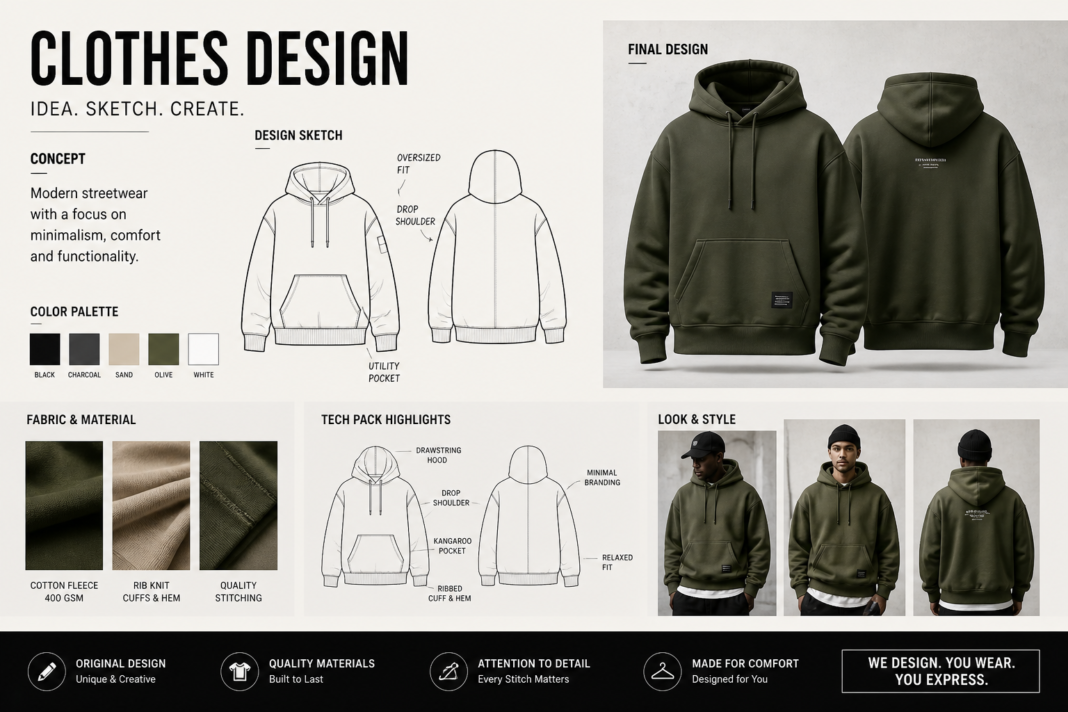

Clothing is more than fabric stitched together. It is a form of communication, personal identity, cultural expression, and artistic innovation. From luxury runways to everyday streetwear, clothes influence how people present themselves and how they are perceived by others.
The world of clothes design combines creativity, technical skill, market awareness, and problem-solving. Designers transform ideas into wearable products that balance aesthetics, comfort, function, and commercial appeal. Whether you are an aspiring fashion designer, entrepreneur, student, or enthusiast, understanding the foundations of clothing creation provides valuable insight into one of the world’s most dynamic industries.
Understanding the Fundamentals of Clothes Design
At its core, clothes design is the process of creating garments that meet both visual and practical needs. Designers develop concepts, select materials, create patterns, and oversee production to transform ideas into finished apparel.
The discipline combines artistic vision with technical execution. Successful designers understand silhouette, proportion, color, fabric behavior, construction methods, and consumer preferences while staying responsive to changing fashion trends and market demands.
The Evolution of Fashion and Clothing Creation
Fashion has evolved dramatically throughout history, reflecting social movements, technological advancements, economic changes, and cultural influences. Ancient garments focused primarily on functionality, while modern fashion often blends utility with self-expression and innovation.
Today’s clothing industry operates within a global ecosystem where trends emerge rapidly through digital platforms, influencers, fashion houses, and consumer behavior. This evolution has expanded opportunities for designers while increasing competition and creative possibilities.
Why Clothes Design Matters in Modern Society
Clothing serves as a visual language that communicates personality, profession, values, and cultural identity. Thoughtful design helps people feel confident, comfortable, and aligned with their personal style.
Beyond individual expression, fashion contributes significantly to economic growth, employment, manufacturing, retail, and global trade. Designers play a crucial role in shaping consumer experiences and influencing cultural conversations.
Core Elements That Define Great Clothing Design
Exceptional garments are built upon foundational design principles that guide every creative decision. These principles help create visual harmony while ensuring garments function effectively for their intended purpose.
Balance, proportion, rhythm, emphasis, and unity work together to create appealing designs. When combined with appropriate fabric choices and construction techniques, these elements transform simple concepts into compelling fashion pieces.
Essential Skills Every Fashion Designer Needs
Creative talent is important, but successful designers develop a diverse set of skills that extend beyond artistic ability. Drawing, sketching, digital illustration, pattern making, and garment construction form the technical foundation of fashion design.
Communication, research, trend analysis, project management, and business knowledge are equally important. Designers frequently collaborate with manufacturers, marketers, buyers, photographers, and retail professionals throughout the product development process.
The Creative Process Behind Clothes Design
The journey from inspiration to finished garment typically begins with research and concept development. Designers gather visual references, identify themes, explore colors, and create mood boards that establish creative direction.
Once concepts are refined, sketches evolve into technical drawings, prototypes, and sample garments. Continuous testing, adjustments, and feedback ensure the final product aligns with both creative objectives and practical requirements.
Sources of Inspiration for Designers
Inspiration can come from virtually anywhere, including architecture, nature, travel, art, music, history, technology, and cultural traditions. Many designers maintain extensive visual libraries to capture ideas and creative references.
The most successful concepts often emerge when designers reinterpret familiar influences through fresh perspectives. Originality frequently comes not from inventing something entirely new but from combining existing ideas in innovative ways.
The Role of Color in Fashion Design
Color significantly impacts emotional response, consumer behavior, and visual appeal. Designers carefully select palettes that reinforce themes, target audiences, and seasonal trends.
Understanding color psychology allows designers to create stronger connections with consumers. Bold colors can communicate energy and confidence, while neutral palettes often convey sophistication, versatility, and timeless elegance.
Fabrics and Materials: The Foundation of Every Garment
Fabric selection influences comfort, durability, appearance, movement, and overall garment performance. Different materials behave uniquely during cutting, sewing, and wear, making fabric knowledge essential for effective design.
Natural fibers, synthetic textiles, and blended materials each offer distinct advantages. Designers must evaluate texture, weight, stretch, breathability, sustainability, and cost when selecting appropriate fabrics for specific applications.
Understanding Silhouettes and Shape
A silhouette represents the overall shape a garment creates on the body. It is one of the most influential factors affecting visual impact and wearability.
Designers use silhouettes to guide attention, enhance proportions, and support desired aesthetics. Whether fitted, oversized, structured, or flowing, the chosen shape significantly influences how a garment is perceived and experienced.
Pattern Making and Garment Construction
Pattern making transforms creative concepts into precise templates used for cutting fabric components. Accurate patterns ensure garments fit correctly and maintain consistent production standards.
Construction techniques determine durability, comfort, and finishing quality. Skilled designers understand stitching methods, seam structures, closures, and assembly processes that contribute to professional-grade apparel.
Digital Technology and Modern Fashion Design
Technology has revolutionized the fashion industry by accelerating development cycles and expanding creative possibilities. Digital tools enable designers to experiment with concepts more efficiently than traditional methods alone.
Software applications support sketching, technical design, pattern development, visualization, and collaboration. These advancements help reduce costs, improve accuracy, and streamline communication throughout the design process.
Popular Software Used in Clothes Design
Modern designers frequently use digital platforms to create illustrations, technical specifications, and production documents. Software proficiency has become a valuable skill in professional fashion environments.
Programs vary in functionality, ranging from vector illustration tools to advanced 3D garment visualization systems. Choosing the right software depends on design goals, workflow requirements, and production needs.
Comparison of Essential Fashion Design Components
| Component | Purpose | Key Benefits | Importance Level |
| Sketching | Visual concept development | Rapid idea exploration | High |
| Pattern Making | Garment structure creation | Accurate fit and production | High |
| Fabric Selection | Material decision-making | Performance and aesthetics | High |
| Color Planning | Visual identity development | Emotional impact | Medium-High |
| Technical Specifications | Manufacturing guidance | Consistency and quality | High |
| Trend Research | Market relevance | Consumer appeal | Medium-High |
| Prototyping | Design validation | Reduced production errors | High |
| Quality Testing | Performance evaluation | Customer satisfaction | High |
Fashion Trends and Their Influence
Fashion trends shape consumer expectations and influence purchasing behavior across global markets. Trend forecasting helps designers anticipate future preferences and align collections with emerging demands.
While trends provide valuable direction, successful designers avoid relying exclusively on them. Balancing contemporary relevance with originality often leads to more enduring and distinctive products.
Sustainable Approaches in Fashion Design
Sustainability has become a central focus within the fashion industry as consumers increasingly prioritize environmental responsibility. Designers are exploring methods that reduce waste, conserve resources, and improve ethical production practices.
Innovations include recycled materials, circular design strategies, responsible sourcing, and longer-lasting garments. These approaches demonstrate that environmental consciousness and creative excellence can coexist successfully.
Designing for Different Market Segments
Not all consumers have the same needs, preferences, or purchasing habits. Designers often specialize in specific categories such as luxury fashion, sportswear, casual wear, children’s clothing, or professional apparel.
Understanding target audiences enables more effective decision-making throughout the design process. Successful products align style, functionality, pricing, and brand positioning with consumer expectations.
The Business Side of Clothes Design
Creativity alone rarely guarantees commercial success. Designers must understand branding, merchandising, pricing, sourcing, manufacturing, and marketing to build sustainable careers or businesses.
Strong business knowledge helps transform creative ideas into profitable products. Designers who understand market dynamics can better navigate challenges and identify opportunities within competitive environments.
Building a Strong Fashion Brand
Brand identity extends beyond logos and visual aesthetics. It encompasses values, storytelling, customer experience, product quality, and emotional connections with consumers.
A compelling brand creates differentiation in crowded markets. Consistency across products, messaging, and customer interactions helps establish trust and long-term loyalty.
Common Mistakes New Designers Make
Many beginners focus heavily on aesthetics while overlooking functionality, fit, production feasibility, or customer needs. Beautiful concepts can struggle commercially if they fail to meet practical expectations.
Another common challenge involves inadequate research. Understanding market conditions, consumer behavior, and manufacturing requirements helps prevent costly mistakes and improves overall design effectiveness.
Clothes Design for E-Commerce Success
The rise of online shopping has changed how garments are designed, marketed, and sold. Designers increasingly consider photography, digital presentation, and customer expectations during product development.
Garments with clear visual appeal, versatile styling potential, and strong value propositions often perform better in digital retail environments. Product descriptions and visual storytelling also play important supporting roles.
Custom Clothing and Personalization Trends
Consumers increasingly seek products that reflect individual preferences and unique identities. Personalized apparel offers opportunities for deeper customer engagement and differentiation.
Advancements in digital production technologies have made customization more accessible and scalable. From made-to-measure garments to personalized graphics, customization continues to influence modern fashion strategies.
The Future of Clothes Design
The future of fashion will likely be shaped by sustainability, artificial intelligence, digital fashion, smart textiles, and changing consumer expectations. Emerging technologies are expanding what designers can create and how products are developed.
Despite technological advancements, human creativity remains at the heart of innovation. The ability to understand emotions, culture, and personal expression ensures designers will continue playing a vital role in shaping the future of apparel.
Expert Perspective on Fashion Creativity
As legendary fashion designer Coco Chanel famously said, “Fashion changes, but style endures.”
This insight highlights an important principle within clothes design. While trends evolve rapidly, strong design foundations, thoughtful craftsmanship, and authentic creative vision continue to deliver lasting value.
Career Opportunities in the Fashion Industry
The fashion sector offers diverse career paths beyond traditional designer roles. Professionals may specialize in product development, fashion illustration, technical design, textile innovation, trend forecasting, merchandising, or brand management.
As digital transformation continues reshaping the industry, new opportunities are emerging in areas such as 3D design, virtual fashion, sustainability consulting, and fashion technology development.
How Beginners Can Start Learning Fashion Design
Aspiring designers benefit from developing both creative and technical skills simultaneously. Regular sketching, fabric exploration, sewing practice, and design analysis help build a strong foundation.
Studying successful brands, analyzing garments, creating personal projects, and seeking constructive feedback accelerate learning. Consistent practice remains one of the most effective paths toward improvement and professional growth.
Conclusion
The field of clothes design represents a fascinating intersection of creativity, craftsmanship, technology, culture, and commerce. Successful designers balance artistic expression with practical problem-solving while responding to evolving consumer needs and industry trends.
Whether your goal is launching a fashion brand, pursuing a professional design career, or simply understanding the creative process behind clothing, mastering the principles discussed in this guide provides a strong foundation. As fashion continues evolving through innovation and sustainability, opportunities for creative thinkers remain abundant. The future belongs to designers who can combine originality, technical expertise, and strategic insight to create meaningful apparel experiences.
FAQ
What is clothes design?
Clothes design is the process of creating garments by combining artistic concepts, technical construction methods, fabric selection, and functional considerations to produce wearable clothing.
What skills are required for clothes design?
Successful clothes design requires creativity, sketching ability, pattern making knowledge, fabric understanding, technical construction skills, and awareness of fashion trends and consumer preferences.
Is clothes design a good career choice?
Yes, clothes design can offer rewarding opportunities in fashion houses, apparel brands, retail companies, entrepreneurship, product development, and emerging fashion technology sectors.
Which software is commonly used for clothes design?
Many professionals use digital illustration, technical design, and garment visualization software to support clothes design workflows and improve production efficiency.
How long does it take to learn clothes design?
Learning clothes design is an ongoing process. Basic skills can be developed within months, while professional expertise typically requires years of practice, education, and industry experience.
What is the difference between fashion design and clothes design?
Fashion design often focuses on broader style trends and collections, while clothes design emphasizes the creation and development of individual garments and apparel products.
Why is sustainability important in clothes design?
Sustainability helps reduce environmental impact, improve resource efficiency, and meet growing consumer demand for responsible products while supporting long-term industry innovation.
You May Also Read: Papasan Chair