

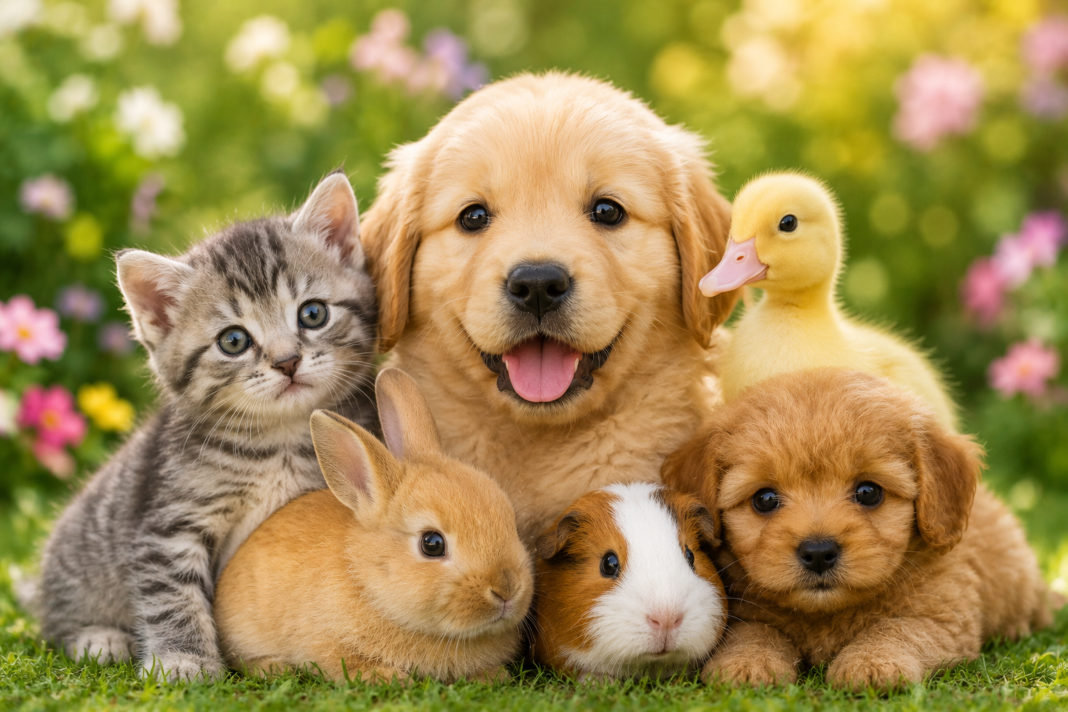

Few things capture human attention as effortlessly as Cute Animals. Whether it’s a fluffy kitten, a playful red panda, or a tiny hedgehog curled into a ball, adorable creatures have a remarkable ability to brighten moods and spark emotional connections. Across cultures and generations, people have been drawn to animals with charming features, expressive eyes, and endearing behaviors.
The fascination with animal cuteness goes beyond simple entertainment. Scientists have studied why humans respond so strongly to certain physical traits, while conservationists have observed how public affection for adorable species can help drive awareness and protection efforts. From household pets to rare wildlife, the world is filled with creatures that inspire wonder, affection, and curiosity.
Why Humans Are Naturally Drawn to Adorable Creatures
The human attraction to cute animals is deeply rooted in psychology. Researchers suggest that features such as large eyes, rounded faces, soft fur, and small body proportions trigger nurturing instincts that evolved to help humans care for infants. When people see these characteristics in animals, similar emotional responses often occur.
This phenomenon explains why social media is flooded with pet videos, animal rescue stories, and wildlife photography featuring lovable creatures. The emotional reaction can be immediate and powerful, creating feelings of happiness, comfort, and even reduced stress levels. In many cases, viewing adorable animals has been linked to improved mood and greater emotional well-being.
What Makes an Animal Cute?
Although cuteness can be subjective, several physical and behavioral traits consistently influence how people perceive animals. Rounded facial structures, oversized eyes, tiny noses, and fluffy coats frequently rank among the most appealing characteristics.
Behavior also plays an important role. Animals that display curiosity, playfulness, affection, or awkward movements often appear more charming than those that seem distant or aggressive. A baby panda tumbling down a hill or an otter holding hands while floating creates memorable moments that reinforce perceptions of cuteness.
The Science Behind Animal Cuteness
Scientists often refer to the concept of “baby schema,” a set of infant-like features that trigger caregiving responses in humans. These characteristics include large heads relative to body size, prominent eyes, and rounded body shapes.
Studies suggest that exposure to cute animals can increase attention, improve concentration, and encourage prosocial behavior. Some researchers believe that observing adorable creatures activates reward centers in the brain, creating positive emotional experiences. This scientific understanding helps explain why images of baby animals are widely used in marketing, entertainment, and digital media.
The Most Popular Cute Animals Around the World
Different cultures may favor different species, but several animals consistently rank among the world’s most beloved creatures. Their appearance, behavior, and unique personalities have made them global favorites.
Among the most admired are puppies, kittens, rabbits, red pandas, otters, koalas, hedgehogs, and baby pandas. These animals frequently appear in viral videos, wildlife documentaries, and social media content because they naturally attract attention and affection.
Comparison of Some of the World’s Cutest Animals
| Animal | Notable Cute Feature | Habitat | Popularity Level |
| Red Panda | Fluffy tail and expressive face | Himalayan forests | Very High |
| Koala | Round ears and gentle appearance | Australia | Very High |
| Hedgehog | Tiny size and curled posture | Europe, Africa, Asia | High |
| Sea Otter | Playful behavior and facial expressions | Coastal waters | Very High |
| Rabbit | Soft fur and long ears | Worldwide | Very High |
| Panda Cub | Round body and clumsy movements | China | Extremely High |
| Kitten | Large eyes and playful nature | Domestic environments | Extremely High |
| Puppy | Friendly behavior and loyalty | Domestic environments | Extremely High |
Red Pandas: Masters of Adorable Charm
Among all cute animals, red pandas often rank near the top of public preference. Their reddish fur, striped tails, and expressive faces create a unique appearance that seems almost designed to maximize charm.
Native to the mountainous forests of Asia, red pandas spend much of their lives in trees. Their playful behavior, climbing abilities, and curious personalities make them favorites among wildlife enthusiasts and zoo visitors. Despite their popularity, red pandas face conservation challenges due to habitat loss and fragmentation.
Koalas and Their Relaxed Lifestyle
Koalas have become symbols of Australian wildlife thanks to their fluffy ears, large noses, and calm demeanor. These tree-dwelling marsupials spend much of their time sleeping, conserving energy from their specialized eucalyptus diet.
Their peaceful appearance contributes significantly to their reputation as one of the world’s most lovable species. Wildlife photographers often capture images of koalas hugging tree trunks or carrying their young, creating scenes that resonate strongly with audiences worldwide.
Sea Otters and Their Playful Personalities
Sea otters are famous for their intelligence, social behavior, and entertaining habits. They frequently float on their backs, use tools to crack shellfish, and even hold hands while resting to avoid drifting apart.
These behaviors enhance their reputation among cute animals and contribute to widespread public affection. Their expressive faces and energetic interactions make them common stars in nature documentaries and wildlife photography collections.
Why Baby Animals Seem Extra Cute
Baby animals possess many of the traits associated with infant appearance, including large eyes, oversized heads, and soft features. These characteristics activate emotional responses that encourage protective instincts.
Young animals also tend to move less gracefully than adults. Their clumsy steps, playful exploration, and curious reactions often create entertaining situations that people find highly endearing. Whether it’s a baby elephant learning to use its trunk or a panda cub attempting to climb, youthful behavior amplifies cuteness.
The Role of Social Media in Popularizing Cute Animals
The rise of social platforms has dramatically increased public exposure to adorable wildlife and pets. Millions of people watch animal videos daily, sharing content that features playful puppies, curious cats, and rare wildlife encounters.
Social media has transformed certain animals into global celebrities. Some pets have accumulated millions of followers, while wildlife organizations use engaging animal content to educate audiences about conservation and habitat protection. This digital visibility has expanded appreciation for species that many people might never encounter in person.
Domestic Pets That Win Hearts Everywhere
Cats and dogs remain among the most beloved companions worldwide. Their ability to form close relationships with humans contributes significantly to their popularity and emotional appeal.
Cats often attract admiration through their playful behavior, graceful movements, and expressive eyes. Dogs, meanwhile, are celebrated for loyalty, enthusiasm, and affectionate interactions. Together, these animals dominate online content, pet ownership statistics, and public affection rankings.
Rabbits and Their Gentle Appeal
Rabbits possess many characteristics associated with animal cuteness, including soft fur, twitching noses, and large eyes. Their calm temperament and social behavior make them popular pets in many households.
Wild rabbits also captivate observers through their agility and alertness. Watching rabbits hop through fields or interact with their young provides a glimpse into behaviors that many people find naturally charming and relaxing to observe.
Hedgehogs: Tiny Animals With Big Personalities
Hedgehogs have gained widespread popularity due to their distinctive appearance. Their small size, curious nature, and unique defensive posture create a combination that many people find irresistible.
When relaxed, hedgehogs display surprisingly expressive faces and gentle behavior. Their growing presence in online videos and pet communities has helped increase awareness of these fascinating creatures around the world.
Cute Animals and Mental Well-Being
Many people report feeling happier after spending time with animals. Research supports these observations, suggesting that interaction with pets and exposure to adorable animal imagery can help reduce stress and improve mood.
Animal-assisted therapy programs have become increasingly common in hospitals, schools, and healthcare settings. Therapy dogs, emotional support animals, and other trained companions often provide comfort and emotional support during challenging situations.
“Animals have a unique ability to connect with people emotionally, often providing comfort without saying a single word.”
How Wildlife Conservation Benefits From Animal Popularity
Public affection for cute animals often translates into stronger support for conservation initiatives. Species such as pandas, koalas, and sea otters have become powerful ambassadors for environmental protection efforts.
When people feel emotionally connected to an animal, they are often more willing to support habitat preservation, wildlife research, and conservation funding. This relationship demonstrates how animal appeal can contribute positively to broader ecological goals.
Misconceptions About Cute Animals
Many people assume that adorable appearance automatically means friendly behavior. In reality, wild animals maintain natural instincts and should be respected regardless of how cute they may seem.
Some species that appear gentle can become defensive when threatened or stressed. Understanding animal behavior helps promote responsible interactions while protecting both humans and wildlife. Appreciating animals from a safe distance is often the most ethical and sustainable approach.
The Evolution of Animal Popularity
The animals considered most adorable have changed over time due to cultural trends, media exposure, and technological advances. Decades ago, people primarily encountered animals through books, television, and zoos.
Today, high-definition photography, wildlife livestreams, and social media platforms allow individuals to observe countless species from anywhere in the world. This increased accessibility has introduced audiences to previously overlooked animals that now enjoy widespread popularity.
Cute Marine Animals That Capture Global Attention
The ocean is home to some of the most fascinating and cute animals on the planet. Species like dolphins, sea otters, puffins, and baby seals often attract attention due to their playful movements, expressive faces, and social behavior.
Marine environments add an extra layer of charm because these animals often appear to “play” naturally with waves, currents, and each other. Their interactions create visually engaging moments that resonate strongly with audiences both in documentaries and online media.
Dolphins and Their Intelligent Charm
Dolphins are widely admired for their intelligence, communication skills, and friendly behavior toward humans. Their curved smiles and synchronized swimming patterns make them stand out among marine life.
These creatures often form strong social bonds within pods, demonstrating cooperation and emotional awareness. Their ability to interact playfully with humans in controlled environments has further strengthened their reputation among the most admired ocean species.
Seals and Seal Pups in the Wild
Seal pups are especially recognized as cute animals due to their fluffy white coats and large, expressive eyes. These traits help them gain immediate attention in wildlife photography and conservation campaigns.
As they grow, seals become more agile swimmers, but their early stages remain the most visually endearing. Many conservation organizations use images of seal pups to raise awareness about climate change and habitat protection.
Puffins: Small Birds With Big Personality
Puffins are often called “clowns of the sea” because of their colorful beaks and upright posture. Their appearance combines uniqueness with a naturally charming design that appeals to bird watchers worldwide.
They spend much of their lives at sea but return to land for nesting. This seasonal behavior creates opportunities for photographers to capture striking images that highlight their expressive faces and social interactions.
Exotic Cute Animals Found in Remote Regions
Many lesser-known species also qualify as cute animals, even if they are not widely recognized. Animals like the quokka, fennec fox, slow loris, and axolotl have gained popularity in recent years due to their unusual yet adorable features.
These species often thrive in specific ecosystems and remain relatively rare in everyday observation. Their uniqueness adds to their appeal, especially when shared through wildlife documentaries or viral online content.
Quokkas: The World’s Happiest-Looking Animal
Quokkas have become internet sensations due to their naturally smiling facial expressions. Native to Australia, they often appear approachable and friendly, which has contributed to their global popularity.
Despite their friendly appearance, quokkas are wild animals and require respectful distance. Their protected status ensures that they remain safe while continuing to attract interest from wildlife enthusiasts.
Fennec Foxes and Desert Adaptation
Fennec foxes are known for their extremely large ears, which help regulate body temperature in desert environments. Their small size and soft fur make them stand out among desert wildlife.
Their nocturnal behavior adds mystery to their charm, as they are most active at night. This combination of adaptability and appearance places them high on the list of unique desert creatures admired by animal lovers.
Axolotls: The Unique Amphibian With a Smile
Axolotls are aquatic amphibians famous for their external gills and permanently youthful appearance. Their “smiling” facial structure has made them especially popular in online communities.
Unlike many amphibians, axolotls retain juvenile features throughout their lives, a phenomenon known as neoteny. This biological trait contributes significantly to their reputation among unusual yet cute animals.
Animal Communication and Emotional Expression
Animals use a variety of communication methods, including vocal sounds, body language, and facial expressions. These signals often help strengthen social bonds and ensure survival within groups.
Understanding animal communication enhances human appreciation of wildlife behavior. It also helps explain why certain gestures, such as head tilts in dogs or grooming in primates, are perceived as particularly endearing.
Social Behavior and Group Dynamics
Many species considered cute animals display strong social behaviors. These include grooming, playing, and cooperative hunting or protection strategies within groups.
Such interactions not only improve survival rates but also make these animals more engaging to observe. Social bonding behaviors often translate into visible affection, which humans interpret as emotional connection.
How Animals Express Curiosity and Playfulness
Playful behavior is a key factor in how humans perceive cuteness. Young animals especially engage in exploration, mock fighting, and object interaction as part of learning.
These behaviors serve developmental purposes but also create entertaining moments for observers. A young bear sliding down a hill or a kitten chasing shadows exemplifies how play enhances perceived charm.
Cute Animals in Modern Media and Entertainment
Television, films, and digital platforms frequently feature animals to appeal to broad audiences. Animated films often exaggerate features such as eyes and expressions to enhance emotional connection.
Real-life animal content also dominates platforms like video-sharing websites, where short clips of pets and wildlife regularly go viral. This consistent visibility reinforces global appreciation for adorable species.
Viral Animal Content and Internet Culture
The internet has played a major role in shaping modern perceptions of animal cuteness. Viral videos often feature unexpected or humorous animal behavior that quickly spreads across platforms.
This digital exposure has elevated many previously unknown species into global recognition. As a result, some animals become cultural icons simply through repeated sharing and audience engagement.
Cute Animals as Digital Marketing Tools
Brands frequently use animal imagery in advertising due to its emotional appeal. Cute visuals increase engagement, improve brand recall, and create positive associations with products or services.
This strategy is widely used across industries, including technology, food, and lifestyle branding. The emotional response triggered by animal imagery makes marketing campaigns more effective and memorable.
Wildlife Photography and Emotional Storytelling
Wildlife photographers often focus on capturing intimate or expressive moments that highlight animal personality. These images can evoke strong emotional responses from viewers.
A well-timed photograph of a lion cub or a resting penguin colony can communicate powerful stories without words. This form of visual storytelling plays a major role in shaping public perception of wildlife.
Conservation Messaging Through Emotional Connection
Conservation organizations often rely on emotional appeal to raise awareness. Images of vulnerable species help communicate urgency and encourage public support.
By showcasing adorable or endangered animals, these campaigns create stronger engagement and improve funding for protection efforts. Emotional storytelling remains a powerful conservation tool.
Misunderstood Aspects of Animal Behavior
Not all behaviors that appear cute are harmless or playful. Some actions may indicate stress, territorial defense, or survival instincts.
Understanding the context behind behavior is essential for responsible observation. This knowledge helps prevent misinterpretation and promotes ethical wildlife interaction practices.
The Balance Between Observation and Respect
While it is natural to admire cute animals, maintaining respectful distance is important for both safety and conservation. Human interference can disrupt natural behavior patterns.
Responsible wildlife tourism encourages observation without intrusion. This balance ensures that animals remain undisturbed while still allowing people to appreciate their beauty.
Environmental Changes and Animal Adaptation
Habitat loss and climate change are influencing how many species behave and survive. Some animals are adapting by changing migration patterns or feeding habits.
These environmental pressures highlight the importance of conservation awareness. Protecting natural habitats ensures that future generations can continue to enjoy diverse wildlife.
The Growing Global Interest in Animal Welfare
Public awareness of animal welfare has increased significantly in recent years. More people are advocating for ethical treatment and improved living conditions for both domestic and wild species.
This shift reflects a broader understanding of the emotional and ecological value of animals. It also strengthens global efforts toward sustainable coexistence.
Cute Animals and the Future of Human–Animal Connection
The relationship between humans and cute animals is evolving as technology, urbanization, and environmental awareness reshape how people interact with wildlife and pets. Today, digital platforms allow instant access to animal content from anywhere in the world, while conservation efforts increasingly rely on emotional engagement to succeed.
As society becomes more urbanized, many people experience limited direct contact with wildlife. This makes visual and digital exposure even more important in maintaining appreciation for biodiversity. The emotional connection people feel toward adorable species continues to play a central role in shaping attitudes toward animal welfare and environmental responsibility.
Urban Living and the Rise of Companion Animals
City life has significantly increased the importance of companion animals such as cats, dogs, and small mammals. These pets provide emotional support, companionship, and stress relief in fast-paced environments.
Urban households often view pets as family members, which strengthens the bond between humans and animals. This shift has also influenced housing, healthcare, and lifestyle industries, all of which now increasingly accommodate pet-friendly services and products.
How Education Shapes Awareness of Cute Animals
Educational programs and wildlife documentaries help people better understand animal behavior and ecosystems. When children are exposed to nature early, they develop stronger empathy toward animals and environmental protection.
Zoos, aquariums, and nature reserves also play a role in educating the public. By showcasing cute animals in controlled environments, these institutions help bridge the gap between curiosity and conservation awareness.
Ethical Wildlife Tourism and Responsible Interaction
Wildlife tourism can support conservation when managed responsibly. Observing animals in their natural habitat allows people to appreciate behavior without disrupting ecosystems.
However, irresponsible tourism can harm wildlife populations and damage habitats. Ethical guidelines encourage maintaining distance, avoiding feeding wild animals, and respecting natural boundaries to protect both animals and visitors.
Cute Animals in Art, Culture, and Symbolism
Throughout history, animals have been represented in art, folklore, and cultural traditions. Many societies associate certain animals with qualities like innocence, playfulness, or harmony with nature.
Modern culture continues this tradition through illustrations, animations, and merchandise featuring adorable species. These representations reinforce emotional connections and highlight the symbolic importance of animals in human storytelling.
Emotional Benefits of Interacting With Animals
Interacting with cute animals can have measurable psychological benefits. Studies suggest that petting animals or even viewing their images can reduce cortisol levels and increase feelings of happiness.
Therapy animals are increasingly used in hospitals, schools, and care facilities to provide emotional support. Their presence can ease anxiety, improve mood, and enhance overall well-being for individuals in stressful environments.
Cute Animals and the Role of Digital Communities
Online communities centered around animals have grown rapidly. Social media groups, forums, and content channels dedicated to pets and wildlife allow people to share experiences and appreciation.
These communities often promote awareness of adoption, rescue efforts, and conservation campaigns. The shared love for adorable animals creates global connections between people of different cultures and backgrounds.
Conclusion: Why Cute Animals Matter More Than Ever
Cute animals are more than just visually appealing creatures; they play a meaningful role in human emotional health, culture, education, and conservation. Their universal appeal bridges cultural and geographical boundaries, creating shared experiences that unite people around the world.
From domestic pets to exotic wildlife, these animals remind us of the importance of compassion, responsibility, and environmental stewardship. As digital media continues to expand access to wildlife content, the influence of adorable species will likely grow even stronger in shaping public awareness and ecological action.
The fascination with cute animals reflects something deeply human: a desire to connect, care, and find joy in the natural world. This connection is not only emotionally enriching but also essential for building a more sustainable and empathetic future.
FAQ About Cute Animals
What makes animals considered cute animals?
Cute animals are typically defined by features like large eyes, small bodies, soft fur, and playful behavior. These traits trigger emotional responses linked to caregiving instincts in humans.
Why do people feel happier when they see cute animals?
Seeing cute animals can stimulate the brain’s reward system, releasing feel-good chemicals that reduce stress and improve mood almost instantly.
Are wild cute animals safe to approach?
No, most wild cute animals should not be approached. Even if they appear friendly, they may become defensive or stressed, so observation from a distance is safest.
How do cute animals help conservation efforts?
Cute animals attract public attention, making it easier for conservation groups to raise awareness and funding for habitat protection and wildlife preservation.
What are some of the most popular cute animals worldwide?
Common favorites include puppies, kittens, pandas, koalas, red pandas, sea otters, rabbits, and hedgehogs, all known for their expressive and gentle appearances.
You May Also Read Shop Laptop Case Nearby