

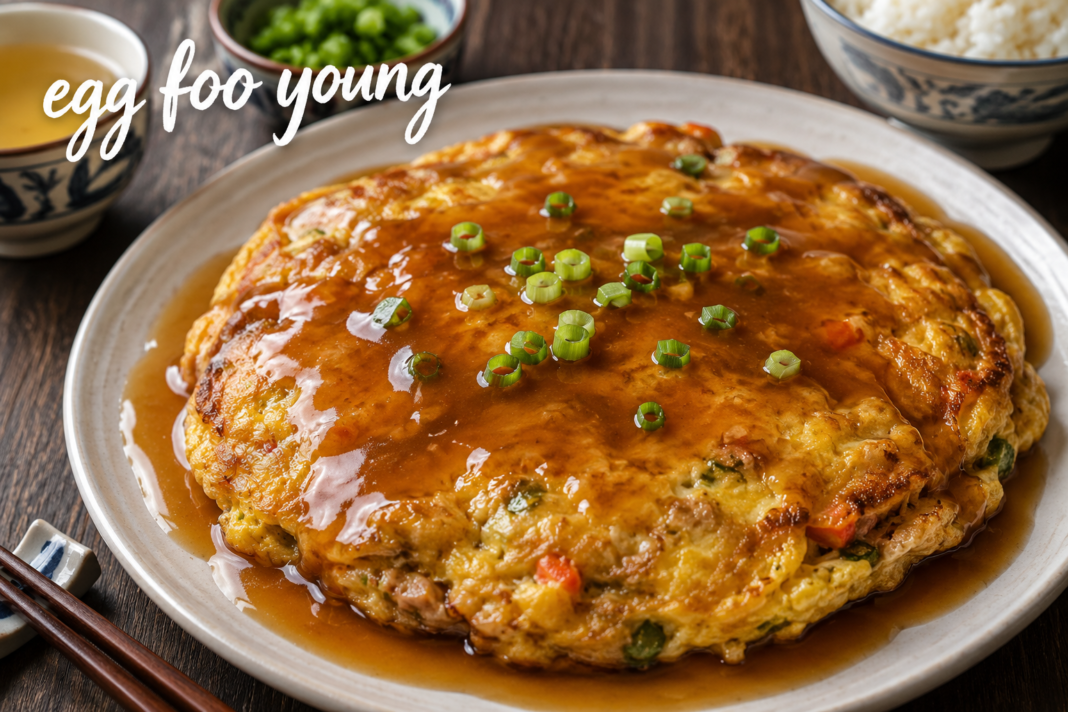

Few dishes have enjoyed the lasting popularity and versatility of Egg Foo Young. Combining fluffy eggs, savory fillings, crisp edges, and rich gravy, this beloved creation bridges cultures, generations, and culinary traditions. Whether ordered from a neighborhood takeout restaurant or prepared fresh at home, it remains one of the most recognizable dishes in Chinese-American cuisine.
What makes this dish especially appealing is its flexibility. It can be adapted with shrimp, chicken, pork, beef, vegetables, or entirely vegetarian ingredients while maintaining its signature texture and flavor. From its fascinating history to modern cooking methods, this comprehensive guide explores everything you need to know about this timeless comfort food.
Understanding the Origins of Egg Foo Young
The roots of egg foo young can be traced back to southern China, particularly Guangdong province, where egg-based dishes featuring vegetables and seafood have long been common. Immigrants brought these culinary traditions abroad, adapting recipes to local tastes and ingredient availability.
As Chinese communities established themselves throughout North America, the dish evolved into a uniquely Chinese-American specialty. Restaurants introduced thicker gravies, larger portions, and ingredient combinations that appealed to Western diners while preserving the core concept of a savory egg pancake.
The Meaning Behind the Name
The term derives from a Cantonese phrase referring to hibiscus flowers, often interpreted as describing the appearance of the finished omelet. Its golden, fluffy structure resembles a blooming flower, making the name both descriptive and poetic.
Over time, spelling variations emerged across menus and cookbooks. Despite these differences, the dish’s identity remained recognizable thanks to its characteristic egg base and flavorful fillings.
Why the Dish Became So Popular
One reason for the widespread success of egg foo young is its accessibility. Eggs are affordable, nutritious, and easy to prepare, making the dish practical for restaurants and home cooks alike.
Another factor is customization. Diners can select proteins, vegetables, and seasonings according to personal preferences, creating a meal that feels both familiar and unique. This adaptability has helped sustain its popularity for decades.
The Core Ingredients
At its heart, the dish begins with beaten eggs. The eggs provide structure, richness, and the fluffy texture that defines the final result.
Additional ingredients often include bean sprouts, green onions, mushrooms, onions, and various proteins. Seasonings such as soy sauce, sesame oil, and white pepper enhance flavor without overpowering the delicate egg foundation.
Common Protein Choices
Egg Foo Young Shrimp is among the most traditional options, contributing sweetness and tenderness that pair exceptionally well with eggs. Many seafood lovers consider shrimp versions among the most authentic.
Chicken, pork, and beef are also popular. These proteins add heartiness and transform the dish into a substantial entrée suitable for lunch or dinner rather than simply a side item.
The Role of Vegetables
Vegetables provide texture, freshness, and visual appeal. Bean sprouts are especially common because they retain slight crunch even after cooking.
Green onions, mushrooms, carrots, cabbage, and bell peppers frequently appear in modern versions. These additions contribute color and nutritional value while complementing the richness of the eggs.
Traditional Cooking Techniques
Traditional preparation involves heating oil in a wok until hot enough to create crisp edges while allowing the interior to remain tender. The egg mixture is then poured into the pan and cooked until golden brown.
The finished omelet is flipped carefully and cooked on the opposite side. Skilled cooks achieve a balance between crispy exterior textures and a soft, fluffy center that remains moist.
Modern Home Cooking Methods
Home cooks often use nonstick skillets instead of traditional woks. This approach simplifies preparation while still delivering satisfying results.
Some recipes also utilize ovens or air fryers to reduce oil usage. Although the texture differs slightly, these methods can create lighter versions that appeal to health-conscious diners.
Understanding the Signature Gravy
Many restaurant-style versions include a savory brown gravy poured over the omelet before serving. This sauce adds moisture and enhances the dish’s overall richness.
The gravy typically contains broth, soy sauce, cornstarch, and seasonings. Some recipes incorporate oyster sauce or mushroom-based ingredients for deeper umami flavor.
Restaurant Style Versus Homemade
Restaurant preparations often feature larger portions and higher heat cooking, resulting in more pronounced browning and richer flavor development. Commercial kitchens can also produce exceptionally fluffy textures through specialized techniques.
Homemade versions offer greater control over ingredients and sodium levels. Many cooks appreciate the ability to customize fillings while maintaining freshness and nutritional balance.
How Egg Foo Young Fits Into Modern Dining Trends
Modern consumers increasingly seek meals that combine convenience, nutrition, and customization. Egg foo young naturally aligns with these preferences because it can be adapted to different dietary needs while remaining quick to prepare and highly satisfying.
Its versatility also appeals to today’s home cooks who enjoy experimenting with ingredients. From high-protein meal plans to vegetable-focused recipes, the dish easily evolves to match changing food trends without losing its classic character.
Best Sauces and Seasonings for Enhanced Flavor
While traditional brown gravy remains the most recognizable accompaniment, many cooks enhance flavor with ingredients such as oyster sauce, sesame oil, garlic, ginger, and white pepper. These additions create deeper layers of savory complexity.
Balancing seasonings is essential because the eggs provide a relatively mild foundation. Well-chosen sauces complement the fillings rather than overpower them, resulting in a more harmonious and authentic dining experience.
Tips for Making Restaurant-Quality Egg Foo Young at Home
Achieving restaurant-style results starts with proper ingredient preparation. Chopping vegetables evenly, pre-cooking proteins, and thoroughly whisking the eggs help create a consistent texture throughout the finished omelet.
Heat management is equally important. A properly heated pan allows the exterior to develop a light golden crust while keeping the interior fluffy, tender, and packed with flavor, closely resembling professional kitchen results.
Nutritional Profile
Eggs provide high-quality protein, essential amino acids, vitamins, and minerals. As a result, the dish can serve as a nutritious meal when prepared with balanced ingredients.
The nutritional content varies depending on cooking methods and fillings. Lean proteins and abundant vegetables generally increase nutritional value while limiting excess calories.
Nutritional Breakdown Table
| Component | Typical Contribution | Benefit |
| Eggs | Protein and healthy fats | Supports muscle maintenance |
| Bean Sprouts | Fiber and vitamins | Adds crunch and nutrients |
| Green Onions | Antioxidants | Enhances flavor naturally |
| Mushrooms | Minerals and umami compounds | Improves taste and texture |
| Shrimp or Meat | Additional protein | Increases satiety |
| Gravy | Flavor and moisture | Enhances dining experience |
| Soy Sauce | Seasoning | Provides savory depth |
Protein-Rich Meal Benefits
Because eggs are nutrient-dense, this dish can help individuals meet daily protein requirements efficiently. The combination of egg protein and added meat or seafood creates a highly satisfying meal.
Protein also contributes to feelings of fullness. This can support appetite management and reduce the likelihood of unnecessary snacking between meals.
Low-Carb Appeal
Compared with many rice- or noodle-based dishes, egg foo young can fit comfortably into lower-carbohydrate eating plans. The primary ingredient is eggs rather than starch-heavy grains.
Those seeking even lower carbohydrate intake may reduce or eliminate gravy while increasing vegetable content. Such modifications preserve flavor while aligning with specific dietary goals.
Popular Regional Variations
Regional interpretations reflect local tastes and ingredient availability. Some areas favor seafood-heavy versions, while others emphasize pork or chicken.
Variations also extend to sauces and seasonings. Certain restaurants offer lighter gravies, whereas others feature richer and darker sauces influenced by local culinary preferences.
Shrimp Egg Foo Young
Shrimp remains one of the most celebrated fillings due to its delicate sweetness and tender texture. The seafood complements eggs naturally without overwhelming other ingredients.
Many traditional Chinese-American restaurants highlight shrimp versions prominently on their menus because they showcase both flavor and visual appeal.
Chicken-Based Versions
Chicken offers a mild flavor profile that works well with vegetables and seasonings. It is frequently selected by diners seeking a leaner protein option.
Using shredded or diced chicken ensures even distribution throughout the omelet. This creates balanced bites and consistent flavor in every serving.
Pork Variations
Pork adds richness and savory depth that many enthusiasts associate with classic takeout-style preparations. Roast pork is especially popular due to its caramelized flavor.
The combination of pork, bean sprouts, and green onions creates a traditional profile that has remained popular for generations.
Vegetarian Adaptations
Vegetarian versions demonstrate the remarkable flexibility of the dish. Mushrooms, tofu, cabbage, carrots, and other vegetables can create satisfying texture and flavor.
These preparations often rely on umami-rich ingredients to replace meat while preserving the hearty qualities diners expect.
Gluten-Free Considerations
The omelet itself is naturally gluten-free when prepared with eggs and vegetables. However, sauces and seasonings may contain ingredients derived from wheat.
Careful ingredient selection allows cooks to create gluten-free versions without sacrificing taste. Alternative soy sauces are widely available for this purpose.
Common Cooking Mistakes
Overcrowding the pan can prevent proper browning and lead to uneven cooking. Maintaining adequate space helps achieve desirable texture and appearance.
Using excessively high heat may burn the exterior before the center cooks through. Moderate, controlled heat generally produces better and more consistent results.
Achieving Perfect Texture
Texture represents one of the most important aspects of a successful preparation. The exterior should be lightly crisp while the interior remains fluffy and tender.
Beating eggs thoroughly and avoiding overcooking are critical factors. Proper technique ensures the omelet retains moisture and volume throughout cooking.
Selecting the Best Eggs
Fresh eggs contribute significantly to flavor, color, and texture. Higher-quality eggs often produce richer yolks and more vibrant finished dishes.
Many cooks prefer farm-fresh eggs because they create attractive golden hues and enhanced taste, although standard supermarket eggs also perform well.
The Importance of Bean Sprouts
Bean sprouts provide a defining characteristic that distinguishes many traditional versions. Their crisp texture contrasts beautifully with the softness of the eggs.
In addition to texture, sprouts contribute freshness and subtle sweetness. These qualities help balance richer ingredients such as pork or gravy.
Pairing with Rice
Steamed rice remains one of the most common accompaniments. Its neutral flavor absorbs sauce effectively while providing satisfying substance.
White rice is traditional, though brown rice offers additional fiber and nutrients. Both options complement the dish without competing for attention.
Alternative Side Dishes
Some diners prefer serving the omelet alongside stir-fried vegetables or light soups. These combinations create balanced meals with varied textures.
Fresh salads can also provide contrast. Their crispness and acidity help offset the richness of eggs and gravy.
Meal Prep Potential
The dish works surprisingly well for meal preparation because it reheats effectively. Individual portions can be stored and enjoyed throughout the week.
Preparing ingredients in advance further simplifies cooking. Chopped vegetables and cooked proteins allow for quick assembly during busy schedules.
Family-Friendly Appeal
Children often enjoy the mild flavors and familiar ingredients. The egg-based format makes the dish approachable even for selective eaters.
Parents appreciate the opportunity to incorporate vegetables and protein into a single meal. This combination supports balanced family dining.
Restaurant Ordering Tips
When dining out, asking about available protein options can help tailor the dish to personal preferences. Many establishments accommodate substitutions and modifications.
Requesting sauce on the side allows diners to control moisture and sodium levels. This simple adjustment can significantly influence the overall experience.
Healthier Preparation Strategies
Reducing oil usage while increasing vegetables creates a lighter version without sacrificing satisfaction. Nonstick cookware makes this approach practical.
Using low-sodium seasonings and lean proteins further improves nutritional balance. Small adjustments often yield meaningful health benefits.
Cultural Significance
The story of egg foo young reflects the broader experience of culinary adaptation among immigrant communities. Traditional techniques evolved to suit new environments while preserving cultural identity.
This blend of authenticity and innovation has contributed to the dish’s enduring popularity. It represents both heritage and creativity within the culinary landscape.
Evolution in Modern Cuisine
Contemporary chefs continue experimenting with ingredients and presentation styles. Gourmet versions may feature premium seafood, specialty mushrooms, or artisanal sauces.
Despite these innovations, the foundational elements remain unchanged. The dish continues to celebrate the simple combination of eggs, vegetables, and savory flavor.
Common Misconceptions
Some people assume the dish is simply an omelet with Asian ingredients. In reality, its preparation methods, fillings, and sauces create a distinct culinary experience.
Another misconception is that it must contain meat. Vegetarian and seafood-based versions have long existed and remain highly respected interpretations.
Why Home Cooks Love It
Few meals deliver such a favorable balance of simplicity, versatility, and flavor. Most ingredients are readily available and require minimal preparation.
The recipe also encourages creativity. Home cooks can adapt fillings based on dietary needs, seasonal produce, or ingredients already available in the refrigerator.
Expert Perspective
As culinary professionals often note, “The most enduring recipes are those that combine comfort, flexibility, and flavor in equal measure.”
This observation perfectly captures why egg foo young continues to thrive in both restaurant kitchens and home cooking environments across generations.
Serving for Special Occasions
Although often considered casual comfort food, the dish can be elevated for entertaining. Attractive plating and premium ingredients create a more sophisticated presentation.
Large platters featuring multiple varieties encourage sharing and conversation. This approach works especially well for family gatherings and informal celebrations.
The Future of Egg Foo Young
As consumer interest in customizable and protein-rich meals continues growing, the dish remains highly relevant. Its adaptability aligns naturally with contemporary dining preferences.
Emerging culinary trends emphasizing fresh ingredients, balanced nutrition, and global flavors suggest that egg foo young will continue evolving while maintaining its classic appeal.
Conclusion
Few dishes demonstrate culinary adaptability as effectively as egg foo young. Its rich history, straightforward preparation, nutritional benefits, and endless customization options have helped it remain a beloved favorite for generations. Whether enjoyed with shrimp, chicken, pork, vegetables, or a creative modern twist, it consistently delivers comfort, flavor, and satisfaction.
From humble beginnings in southern China to its status as a staple of Chinese-American cuisine, the dish represents the power of food to evolve while preserving tradition. For home cooks and restaurant diners alike, it remains a versatile, approachable, and delicious choice that continues to earn its place on tables around the world.
FAQ
What is egg foo young made of?
Egg foo young is typically made from beaten eggs combined with vegetables such as bean sprouts and green onions, along with proteins like shrimp, chicken, or pork.
Is egg foo young healthy?
When prepared with lean proteins and vegetables, egg foo young can be a nutritious meal that provides protein, vitamins, and minerals while remaining relatively low in carbohydrates.
What does egg foo young taste like?
The dish offers a savory flavor with fluffy eggs, tender fillings, and often a rich umami gravy that enhances depth and complexity.
Can you make egg foo young without meat?
Yes. Vegetarian versions use vegetables, mushrooms, tofu, and other plant-based ingredients while maintaining the traditional texture and flavor profile.
What is the difference between an omelet and egg foo young?
Although both use eggs as a base, egg foo young typically contains Asian-inspired fillings, distinct seasonings, and is often served with a savory brown gravy.
Can egg foo young be prepared ahead of time?
Yes. It stores well in the refrigerator and reheats effectively, making it suitable for meal prep and convenient weekday meals.
What is the best side dish for egg foo young?
Steamed rice is the classic pairing, though stir-fried vegetables, soups, and fresh salads also complement egg foo young very well.
You May Also Read Preppy Wallpaper