

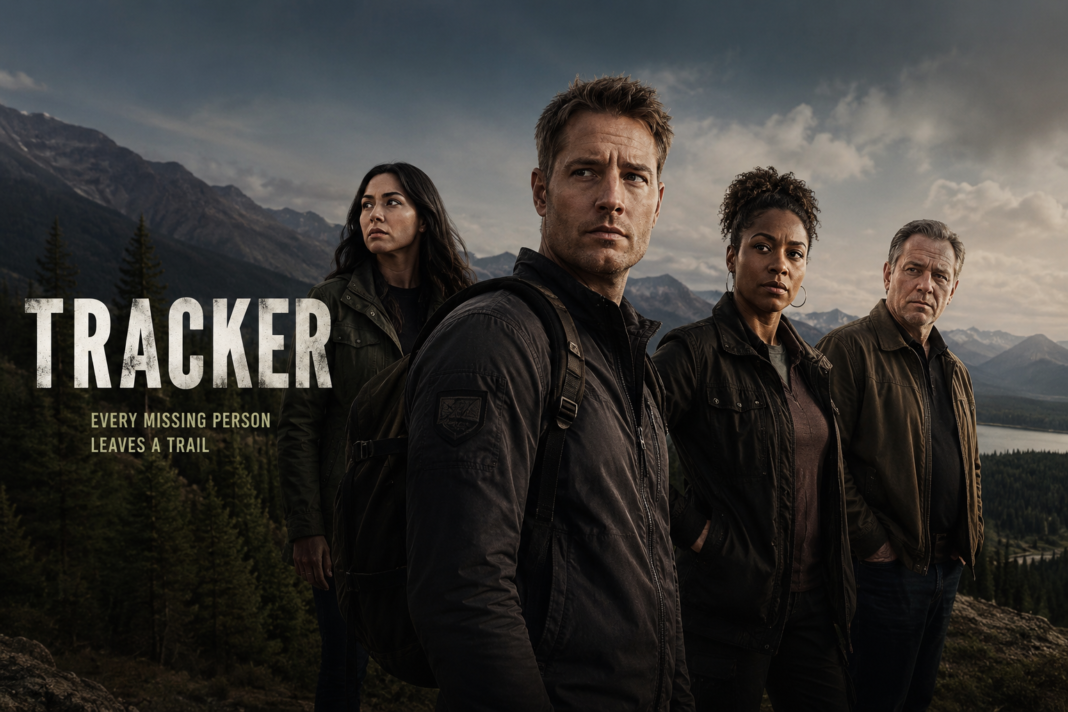

The rapid success of Tracker turned the series into one of television’s most talked-about action dramas. Fans searching for details about the tracker cast often want more than a simple actor list. They want to understand the chemistry between characters, the background of the performers, and why the show has connected so strongly with audiences across streaming and network television.
The tracker cast combines recognizable television veterans, emotionally grounded performances, and a modern storytelling style that blends survival drama, crime investigation, and personal conflict. Anchored by a compelling lead performance, the show balances procedural storytelling with long-form emotional arcs, giving viewers reasons to return every week. This article explores every major aspect of the tracker cast, from character dynamics and actor backgrounds to fan reception, casting decisions, and the broader cultural impact of the series.
Why the Tracker Cast Has Become a Major Television Talking Point
One reason the tracker cast has generated so much online attention is the balance between familiarity and freshness. The series includes experienced actors who already have loyal fan bases, while also introducing newer faces capable of bringing emotional realism to intense scenes. That mix creates broad appeal across different demographics.
Audiences also connect with the believable interpersonal dynamics within the show. Instead of relying purely on action sequences, the series uses dialogue, emotional tension, and layered character motivations to deepen engagement. This approach has helped the tracker cast stand out in a crowded television landscape filled with formulaic procedural dramas.
The Premise of Tracker and Its Character-Driven Appeal
Tracker centers around survivalist and reward seeker Colter Shaw, a lone-wolf figure who travels across the country solving disappearances and helping law enforcement tackle difficult cases. The structure allows the series to introduce new environments and emotional scenarios in nearly every episode while maintaining a consistent core cast.
What makes the tracker cast especially effective is how each supporting character contributes to Shaw’s emotional development. Rather than existing as background figures, the team around him reflects different aspects of his personality, including trust issues, trauma, loyalty, and moral responsibility.
Justin Hartley’s Performance as Colter Shaw
The performance by Justin Hartley has become the emotional centerpiece of the series. Hartley brings a blend of toughness and restraint to Colter Shaw, creating a protagonist who feels capable yet emotionally guarded. His physical presence works naturally within the survival-thriller format, while quieter scenes reveal the deeper psychology of the character.
Many viewers recognize Hartley from earlier television successes, but Tracker has allowed him to showcase a more rugged and introspective style of acting. His performance gives the tracker cast a stable foundation, helping episodic guest stars and supporting actors fit naturally into the show’s emotional rhythm.
Supporting Characters That Strengthen the Series
Strong supporting performances are essential to the success of the tracker cast because the show relies heavily on teamwork, communication, and emotional counterbalance. Each recurring character serves a practical role while also shaping the tone of the narrative.
The supporting cast helps prevent the show from becoming overly repetitive. While Colter Shaw often operates independently, his interactions with allies create tension, humor, and emotional grounding that elevate the storytelling beyond a standard procedural format.
Key Members of the Tracker Cast
The following table highlights some of the most important recurring performers and their roles within the series.
| Actor | Character | Role in the Story | Contribution to the Show |
| Justin Hartley | Colter Shaw | Survivalist and reward seeker | Central protagonist and emotional anchor |
| Abby McEnany | Velma Bruin | Business manager and coordinator | Strategic guidance and emotional balance |
| Eric Graise | Bobby Exley | Technology specialist | Investigative support and comic timing |
| Fiona Rene | Reenie Greene | Lawyer and confidante | Legal insight and emotional complexity |
| Robin Weigert | Teddi Bruin | Operations support | Intelligence gathering and stability |
This combination of personalities creates a multidimensional viewing experience. The tracker cast succeeds because each role has a defined purpose without overshadowing the central narrative.
Fiona Rene’s Role in Expanding Emotional Depth
Fiona Rene plays Reenie Greene with a level of emotional subtlety that has resonated strongly with audiences. Her chemistry with Justin Hartley adds emotional unpredictability to the series while introducing moral and legal complexity into investigations.
The character also broadens the thematic reach of the show. Through Reenie, the tracker cast explores issues involving justice, personal ethics, and vulnerability, helping the series feel more emotionally mature than many conventional action dramas.
Abby McEnany and the Human Side of the Team
Abby McEnany brings warmth and grounded realism to the series through the role of Velma Bruin. Her performance acts as a stabilizing force in episodes that might otherwise become emotionally heavy or excessively tense.
The emotional intelligence of her character adds texture to the tracker cast. She often functions as the connective tissue between different personalities, helping maintain cohesion during high-pressure investigations and emotionally charged storylines.
Eric Graise Brings Energy and Modernity to the Show
Eric Graise plays Bobby Exley with a charisma that adds energy to the investigative process. As the team’s technology specialist, he provides critical digital support while also contributing humor and conversational momentum.
Modern audiences expect procedural dramas to incorporate realistic technological elements, and Bobby’s role helps the tracker cast stay contemporary. His scenes often provide pacing variety, balancing darker emotional moments with sharper dialogue and lighter interactions.
The Importance of Chemistry Within the Tracker Cast
Television audiences can quickly detect when a cast lacks authentic chemistry. One reason the tracker cast has been praised by critics and fans alike is the natural interaction between performers. Conversations feel fluid rather than scripted, which strengthens immersion.
This chemistry also improves the emotional stakes of the series. Viewers become invested not only in the weekly cases but also in the relationships between characters. Emotional continuity encourages binge-watching and stronger long-term audience retention.
How Tracker Balances Procedural and Serialized Storytelling
The structure of Tracker allows casual viewers to enjoy standalone episodes while rewarding dedicated fans with ongoing character development. This balance has become increasingly valuable in modern television, where audiences often prefer flexible viewing experiences.
The tracker cast plays a major role in maintaining that balance. Because the characters are emotionally engaging, serialized storylines feel meaningful rather than forced. At the same time, the episodic structure remains accessible for new viewers entering the series midseason.
Audience Reception and Fan Engagement
Fan discussions surrounding the tracker cast frequently focus on character relationships, emotional scenes, and evolving mysteries tied to Colter Shaw’s background. Social media conversations often highlight the emotional realism of the performances rather than just action scenes.
This level of engagement reflects a broader shift in television culture. Modern audiences increasingly value character-driven storytelling, and the tracker cast aligns well with that preference by prioritizing emotional authenticity alongside suspenseful narratives.
The Evolution of Television Casting in Modern Dramas
Television casting has changed dramatically in recent years. Networks now prioritize performers who can sustain both weekly procedural pacing and streaming-era emotional storytelling. The tracker cast reflects this industry evolution exceptionally well.
Instead of relying solely on celebrity recognition, the series emphasizes compatibility between actors, emotional range, and narrative flexibility. That strategy helps the show feel modern while still retaining the broad accessibility of traditional network television.
Why Justin Hartley Was an Ideal Casting Choice
Before Tracker, Justin Hartley had already demonstrated strong audience appeal in emotionally driven television roles. His ability to balance vulnerability with confidence made him particularly suited for Colter Shaw’s layered personality.
The tracker cast benefits from Hartley’s screen presence because he naturally commands attention without overpowering ensemble scenes. His leadership within the narrative creates space for supporting characters to develop organically rather than existing only in service of the protagonist.
Action Sequences and Character Realism
Many action-oriented series struggle to make dangerous situations feel emotionally believable. Tracker avoids this problem by grounding physical confrontations in character psychology and personal stakes.
The tracker cast contributes heavily to this realism through restrained performances. Fear, frustration, exhaustion, and uncertainty are portrayed convincingly, helping viewers remain emotionally invested even during highly dramatic sequences.
The Role of Emotional Trauma in Character Development
A recurring theme within Tracker involves unresolved trauma and personal history. Colter Shaw’s background shapes many of his decisions, influencing how he approaches danger, trust, and responsibility.
The tracker cast handles these emotional layers carefully, avoiding melodrama while still allowing characters to evolve. This nuanced approach gives the series greater emotional credibility and distinguishes it from more formulaic crime dramas.
How Supporting Characters Prevent Narrative Fatigue
Long-running procedural dramas often risk becoming repetitive. One effective solution is building strong supporting characters who introduce new emotional and thematic dimensions.
The tracker cast excels in this area because every recurring character changes the energy of a scene differently. Some bring strategic thinking, others emotional honesty, and others humor or skepticism. That variation helps maintain freshness across episodes.
Critical Praise and Industry Recognition
Television critics have frequently praised the tracker cast for elevating familiar procedural elements through strong acting and believable emotional dynamics. Reviewers often highlight the balance between action-driven storytelling and character-centered writing.
Industry analysts also note that the show’s casting decisions align with current audience trends favoring emotionally intelligent protagonists and collaborative ensemble storytelling. This positioning strengthens the show’s long-term commercial potential.
The Influence of Streaming Culture on Viewer Expectations
Streaming culture has transformed how viewers consume television. Audiences now expect stronger continuity, deeper character arcs, and higher emotional realism even in network dramas.
The tracker cast succeeds partly because it adapts to these expectations without abandoning episodic accessibility. The show feels binge-worthy while still functioning effectively as weekly television entertainment.
Character Relationships That Drive Audience Loyalty
Relationship dynamics are central to viewer retention in modern television. Fans return not only for mysteries or action but also to watch emotional bonds evolve over time.
The tracker cast creates multiple relationship layers simultaneously. Professional trust, unresolved tension, mentorship, friendship, and emotional vulnerability all intersect throughout the series, giving viewers several narrative threads to follow consistently.
The Show’s Blend of Survivalism and Investigation
Unlike many procedural dramas, Tracker integrates survival skills and wilderness knowledge into its investigations. This unique angle helps differentiate the series within the crime-drama genre.
The tracker cast supports this hybrid identity by portraying characters who feel capable in both emotional and physical situations. Their performances help make the show’s unusual premise feel realistic and grounded rather than exaggerated.
Guest Stars and Expanding Story Possibilities
The episodic structure allows the series to introduce a wide range of guest performers, each bringing new emotional stakes and narrative possibilities. These appearances keep the storytelling dynamic and unpredictable.
Because the tracker cast establishes a strong emotional foundation, guest stars can integrate smoothly into the narrative without disrupting continuity. This flexibility strengthens the show’s long-term storytelling potential.
Why Viewers Relate to Colter Shaw
Colter Shaw resonates with audiences because he reflects a combination of independence, emotional restraint, and moral purpose. He is skilled and resourceful but still visibly affected by personal experiences and emotional uncertainty.
The tracker cast reinforces this relatability by treating Shaw as a human being rather than an invincible action hero. Supporting characters challenge him emotionally, creating believable tension and character growth throughout the series.
The Importance of Authentic Dialogue
Dialogue quality significantly impacts audience immersion. One reason the tracker cast feels believable is the conversational naturalism present in many scenes.
Characters speak with emotional specificity rather than relying entirely on exposition-heavy dialogue. This subtle realism helps strengthen character relationships and creates a more emotionally engaging viewing experience overall.
Cultural Impact and Growing Popularity
The popularity of Tracker reflects larger entertainment trends favoring emotionally layered action dramas with grounded protagonists. As audiences seek more character-focused storytelling, the series continues gaining traction across multiple viewing platforms.
The tracker cast has become central to that popularity because viewers increasingly form emotional attachments to performers and character dynamics. Strong casting decisions often determine whether a television series becomes merely successful or culturally memorable.
What Makes the Tracker Cast Different From Other TV Ensembles
Many television ensembles rely on exaggerated personalities or highly stylized performances. In contrast, the tracker cast emphasizes restraint, emotional realism, and natural interpersonal dynamics.
This approach creates a viewing experience that feels immersive rather than theatrical. Audiences often describe the characters as believable people rather than conventional television archetypes, which strengthens emotional investment over time.
Industry Trends Supporting Character-Driven Dramas
Modern television executives increasingly recognize that long-term audience retention depends on emotional connection rather than spectacle alone. Character-driven dramas consistently perform well because they encourage deeper viewer loyalty.
The tracker cast aligns perfectly with this industry trend by prioritizing emotional complexity alongside suspenseful storytelling. That balance gives the series strong long-term franchise potential and sustained audience engagement.
Quote That Captures the Appeal of the Series
As one television critic observed:
“The strongest action dramas are never just about action—they are about the people carrying the emotional weight behind every decision.”
This perspective accurately reflects why the tracker cast has resonated so strongly with viewers. Emotional authenticity transforms procedural storytelling into something far more memorable and impactful.
Conclusion
The enduring appeal of the tracker cast comes from a combination of strong performances, believable relationships, emotionally intelligent writing, and carefully balanced storytelling. Rather than relying solely on action or mystery, the series builds genuine audience investment through layered characters and evolving emotional dynamics.
As television audiences continue prioritizing emotionally grounded storytelling, the tracker cast stands out as an example of how thoughtful casting can elevate an entire series. With compelling performances, strong chemistry, and a modern narrative structure, the show has positioned itself as one of the most engaging contemporary dramas on television.
FAQ
Who is the lead actor in the tracker cast?
The lead actor in the tracker cast is Justin Hartley, who plays survivalist and investigator Colter Shaw. His performance anchors the emotional and narrative direction of the series.
Why has the tracker cast become so popular?
The tracker cast became popular because of its authentic chemistry, emotionally layered performances, and balance between action-driven storytelling and character development.
Which supporting characters are most important in the tracker cast?
Key supporting members of the tracker cast include Velma Bruin, Bobby Exley, Reenie Greene, and Teddi Bruin, all of whom contribute distinct emotional and strategic dimensions to the series.
Is the tracker cast based on a book adaptation?
Yes, the series draws inspiration from the novel The Never Game by Jeffery Deaver, which introduced the Colter Shaw character and investigative premise.
What makes the tracker cast different from other procedural dramas?
The tracker cast stands out because it prioritizes emotional realism, restrained performances, and meaningful character relationships instead of relying only on action or crime-solving formulas.
Does the tracker cast have strong audience chemistry?
Yes, many viewers and critics praise the tracker cast for believable interpersonal dynamics that make conversations and emotional moments feel natural and immersive.
You May Also Read: How Many Liters in a Gallon and a Half?