

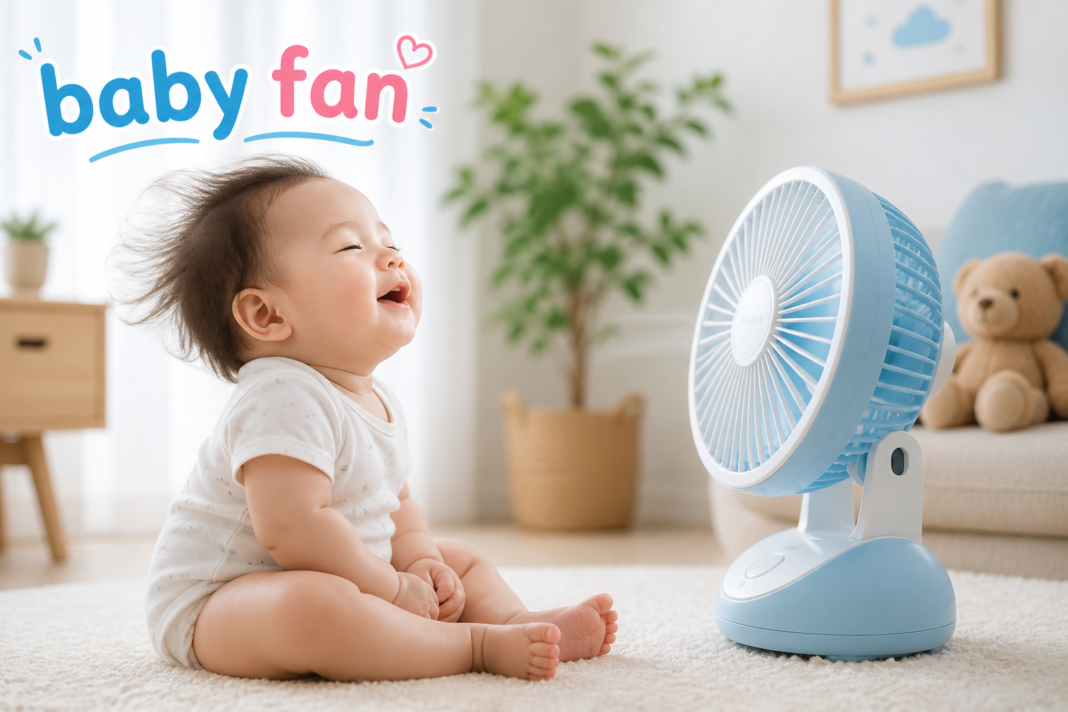

Parents spend countless hours creating a comfortable environment for their children, especially during warm weather. Temperature plays a major role in infant comfort, sleep quality, and overall well-being. Among the many nursery essentials available today, a baby fan has become a practical solution for families seeking gentle airflow and improved comfort.
Unlike traditional household fans that may generate strong air currents, modern baby-focused cooling solutions are designed with safety, portability, and convenience in mind. Whether placed in a nursery, attached to a stroller, or used during travel, these devices help maintain airflow without overwhelming sensitive infants.
This comprehensive guide explores everything parents need to know about selecting, using, and maintaining a baby fan. From safety considerations and product features to travel applications and sleep benefits, you’ll find expert insights that help you make informed decisions for your family.
Why Temperature Comfort Matters for Babies
Babies have developing temperature regulation systems that function differently from those of older children and adults. As a result, they may become uncomfortable more quickly when exposed to excessive heat or stagnant air.
Maintaining a comfortable environment helps reduce fussiness, encourages restful sleep, and supports daily routines. Gentle air circulation can improve room comfort without dramatically lowering the temperature, making cooling devices a valuable addition to many nurseries and family spaces.
Understanding What a Baby Fan Is
A baby fan is a compact cooling device specifically designed for use around infants and young children. These products typically feature protective covers, flexible mounting options, rechargeable batteries, and adjustable airflow settings.
Modern designs prioritize convenience and safety. Many models can attach to cribs, strollers, bassinets, playpens, and changing stations while providing controlled airflow that helps create a more comfortable environment for babies.
The Evolution of Infant Cooling Solutions
Parents once relied primarily on open windows, ceiling fans, or household fans to improve airflow. While these methods still have value, they often lack portability and precision.
Today’s cooling products reflect changing parenting needs. Lightweight materials, USB charging capabilities, flexible tripods, and quiet motors have transformed how families manage temperature comfort both at home and on the go.
Key Benefits of Using a Baby Fan
One of the primary advantages of a baby fan is improved air circulation. Air movement can help rooms feel cooler while reducing the sensation of stuffiness that often develops during warmer months.
Additionally, many parents appreciate the portability and flexibility these devices offer. Whether enjoying a walk outdoors, traveling by car, or spending time in different rooms throughout the house, a portable cooling solution can help maintain comfort consistently.
Supporting Better Sleep Through Airflow
Sleep quality remains one of the biggest concerns for new parents. Environmental conditions, including temperature and airflow, can significantly influence how comfortably a baby rests.
A gentle stream of air may help create a soothing sleep environment. Many families find that consistent airflow contributes to a calmer nursery atmosphere, especially during warm evenings when indoor temperatures rise.
Safety Considerations Every Parent Should Know
Safety should always remain the top priority when introducing any device into a baby’s environment. Products intended for infant use should feature enclosed blades, stable mounting systems, and child-conscious designs.
Parents should also position cooling devices appropriately. Direct airflow should never be excessively strong or focused continuously on an infant’s face. The goal is to improve room circulation rather than create an intense stream of air.
Features That Separate High-Quality Models
Not all cooling devices are created equally. Premium options often include multiple speed settings, rechargeable batteries, flexible mounting systems, and whisper-quiet operation.
Durability also matters. Products designed for daily family use should withstand frequent transport, charging cycles, and regular cleaning while maintaining reliable performance over time.
Comparing Common Types of Baby Cooling Fans
The market includes several categories of products designed to meet different parenting needs. Understanding these differences can simplify the purchasing process.
The following table highlights common options and their ideal applications.
| Type | Primary Use | Key Advantages | Potential Limitations |
| Stroller Fan | Outdoor walks | Portable, flexible mounting | Limited coverage area |
| Clip-On Fan | Nursery or play area | Easy attachment | Placement dependent |
| Desk Fan | Indoor cooling | Stable airflow | Less portable |
| Rechargeable Fan | Travel and mobility | Cord-free convenience | Requires charging |
| USB Fan | Home and office use | Flexible power options | Needs power source |
| Crib-Safe Fan | Nursery environment | Child-focused safety features | May cost more |
Understanding these distinctions helps parents choose a solution aligned with their specific routines and lifestyle requirements.
Stroller Fans and Outdoor Adventures
Outdoor walks remain an important part of family life, especially during warmer seasons. Stroller-mounted cooling devices have become increasingly popular because they help improve comfort during excursions.
Flexible tripod legs and secure clips allow these fans to attach to a variety of stroller frames. Their portability makes them particularly valuable for parents who frequently visit parks, outdoor events, or shopping centers.
Nursery Applications and Indoor Comfort
Inside the nursery, airflow can contribute to a more pleasant sleeping environment. A carefully positioned fan may help distribute air evenly throughout the room without causing discomfort.
Many parents use a baby fan alongside existing cooling systems. Rather than replacing air conditioning, the device supports overall circulation and helps eliminate stagnant air pockets that can develop in enclosed spaces.
Travel-Friendly Cooling for Modern Families
Travel introduces unique challenges when caring for infants. Hotel rooms, airports, cars, and temporary accommodations may not always provide ideal airflow conditions.
Portable cooling devices offer flexibility during these situations. Rechargeable models can often operate for several hours on a single charge, making them useful companions during road trips, flights, and vacations.
Battery Life and Power Options
Battery performance is one of the most important considerations when evaluating portable fans. Longer runtimes generally provide greater convenience and reliability.
Many modern products support USB charging, allowing parents to recharge through power banks, vehicle chargers, laptops, or wall adapters. This versatility enhances usability across a variety of settings.
Noise Levels and Sleep-Friendly Operation
Excessive noise can disrupt infant sleep and reduce the effectiveness of a cooling solution. For this reason, quiet motor technology has become a major selling point.
The best models generate gentle airflow while maintaining low noise output. Some parents even find that soft fan sounds function similarly to white noise, creating a calming sleep environment.
Choosing the Right Size and Airflow Strength
A larger fan does not automatically mean better performance. The ideal product balances airflow efficiency with safety, portability, and ease of use.
Parents should consider room size, intended placement, and mobility needs. Compact units often provide sufficient airflow for strollers and bassinets, while larger models may be more suitable for nursery use.
Common Myths About Fans and Babies
Several misconceptions continue to circulate regarding infant cooling. One common myth suggests that any fan exposure is harmful for babies.
In reality, responsible use and appropriate placement are key factors. Gentle airflow designed to improve comfort differs significantly from exposing an infant to strong, continuous drafts.
“Comfort comes not from excessive cooling, but from balanced airflow and a safe environment.”
Understanding this distinction helps parents make practical and informed choices.
Cleaning and Maintenance Best Practices
Like many household devices, cooling fans perform best when cleaned regularly. Dust accumulation can affect airflow efficiency and potentially reduce motor performance.
Routine maintenance typically involves wiping exterior surfaces, cleaning protective grills, and following manufacturer recommendations. Consistent care supports both hygiene and longevity.
Seasonal Use Throughout the Year
Although often associated with summer, cooling devices can provide benefits during multiple seasons. Indoor air circulation remains valuable even when temperatures are moderate.
During transitional weather, improved airflow may help maintain room comfort without relying exclusively on heating or air-conditioning systems. This versatility increases overall usefulness throughout the year.
How Air Circulation Enhances Nursery Environments
Air circulation influences more than temperature perception alone. Proper airflow can contribute to a fresher and more comfortable indoor atmosphere.
Parents frequently notice that rooms feel less stuffy when air moves gently throughout the space. This improved environmental comfort can support both infants and caregivers during daily routines.
Smart Features and Modern Innovations
Technology continues to influence nursery products, and cooling devices are no exception. Many contemporary models include intelligent features designed to improve convenience.
Examples include adjustable speed controls, battery indicators, timer functions, remote operation, and enhanced energy efficiency. These additions help parents customize cooling based on specific circumstances and preferences.
Balancing Cooling with Overall Nursery Safety
Cooling should never come at the expense of safe sleep practices. Fans represent only one component of a well-designed nursery environment.
Parents should continue following established safety recommendations regarding sleep surfaces, bedding, room setup, and supervision. Airflow devices work best when integrated into a broader approach to infant comfort and safety.
Cost Considerations and Long-Term Value
Price ranges vary significantly depending on brand, battery capacity, construction quality, and included features. While budget-friendly options can be effective, durability often influences long-term value.
Investing in a reliable baby fan may provide years of service, particularly for families planning to use the device with multiple children or across different stages of development.
What Parents Should Look for Before Buying
Purchasing decisions become easier when priorities are clearly defined. Safety features, portability, battery life, mounting options, and noise levels should all factor into the evaluation process.
Reading product specifications carefully helps identify which models align best with individual needs. A family focused on travel may prioritize battery performance, while a nursery-focused buyer may emphasize quiet operation.
Real-World Scenarios Where Fans Make a Difference
Imagine a family enjoying an afternoon walk during a warm summer day. A stroller-mounted cooling device helps maintain airflow, reducing discomfort and encouraging a calmer experience for both parent and child.
Similarly, a nursery fan may support a more comfortable bedtime routine during periods of elevated temperatures. These practical applications demonstrate why many families view airflow solutions as worthwhile investments.
Environmental Efficiency and Energy Awareness
Compared with larger cooling systems, compact fans typically consume relatively little electricity. This efficiency appeals to households seeking practical ways to manage energy usage.
While a baby fan cannot replace air conditioning in extreme heat, it can complement existing cooling strategies and help improve perceived comfort without significant energy demands.
Building a Comfortable Daily Routine
Comfort often influences mood, feeding schedules, naps, and family routines. Small environmental improvements can create meaningful differences in day-to-day experiences.
Consistent airflow supports a calmer atmosphere, helping parents focus on caregiving rather than constantly adjusting room conditions. Over time, these benefits contribute to a more enjoyable home environment.
Conclusion
A baby fan is more than a simple cooling accessory. It serves as a practical tool that supports comfort, mobility, and airflow in a variety of environments. From nurseries and playrooms to strollers and travel situations, modern designs provide flexible solutions for families navigating changing temperatures.
The best results come from thoughtful product selection, proper placement, and ongoing maintenance. By prioritizing safety, airflow quality, battery performance, and ease of use, parents can create a more comfortable environment that benefits both babies and caregivers. As family lifestyles continue to evolve, portable cooling solutions remain a valuable addition to modern parenting.
FAQ
Is a baby fan safe for newborns?
Yes, a baby fan can be used safely when positioned correctly and designed with protective safety features. Gentle airflow is generally preferred over strong direct drafts.
Can a baby fan help improve sleep?
Many parents use a baby fan to promote a more comfortable sleeping environment. Improved airflow may help reduce stuffiness and support restful sleep.
Where should I place a baby fan in the nursery?
A baby fan should be positioned to improve room circulation without blowing directly and continuously on the infant’s face. Indirect airflow is typically ideal.
Are stroller fans worth buying?
For families who spend time outdoors, a baby fan designed for stroller use can improve comfort during walks, errands, and travel activities.
How often should I clean a baby fan?
Most parents benefit from cleaning a baby fan regularly to remove dust and maintain efficient airflow. Follow the manufacturer’s recommendations for best results.
Can I use a baby fan while traveling?
Yes, many portable baby fan models feature rechargeable batteries and compact designs that make them convenient for vacations, road trips, and everyday travel.
Does a baby fan replace air conditioning?
A baby fan improves airflow and comfort but does not lower room temperatures the same way air conditioning does. It works best as part of an overall cooling strategy.
You May Also Read: House of CB